 CCTV
CCTV NETWORK
 SMART HOME
 SOFTWARE


How to Protect Your CCTV Cameras from Dubai’s Summer Heat

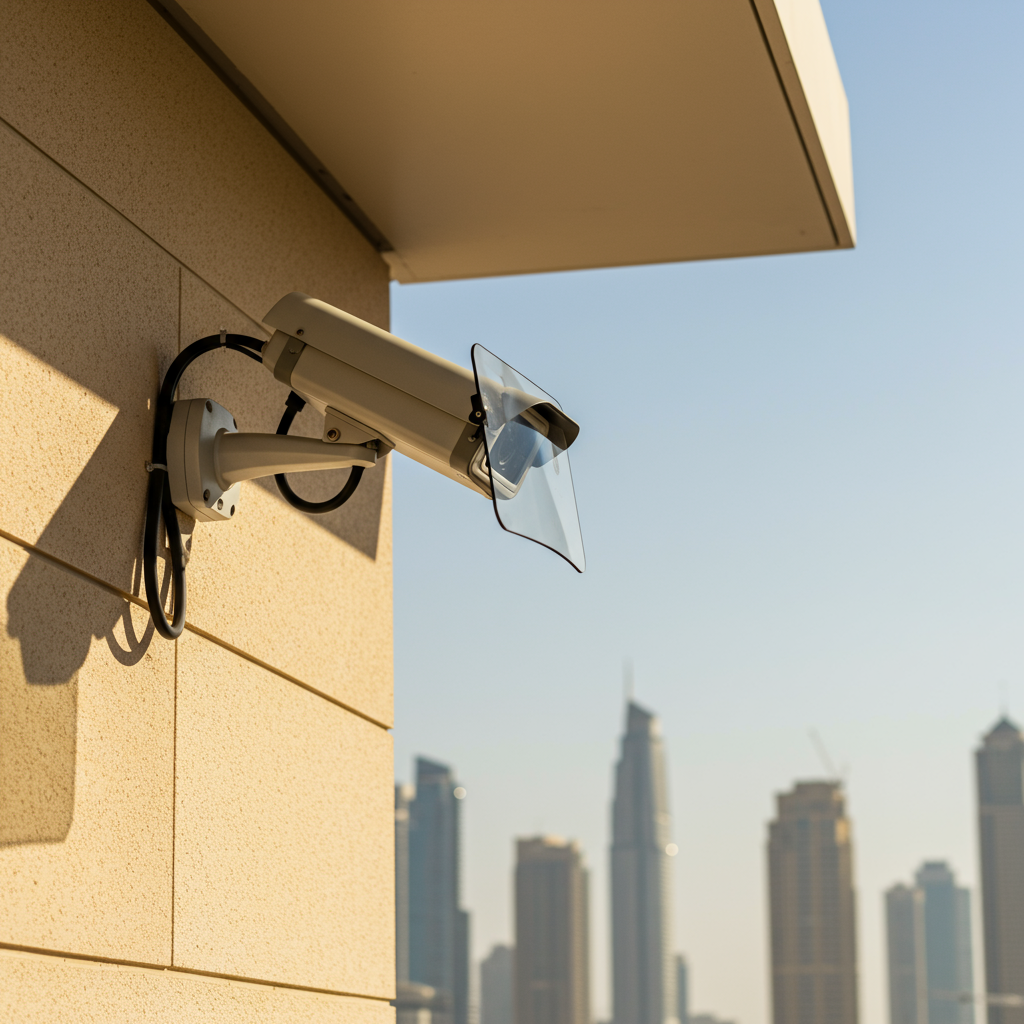
How to Protect Your CCTV Cameras from Dubai’s Summer Heat
Dubai is renowned for its architectural marvels, vibrant lifestyle, and, undeniably, its scorching summer heat. With temperatures often soaring above 40°C and sometimes even touching 50°C, this extreme climate poses a significant challenge for all outdoor electronics, particularly CCTV cameras. These vital security assets, exposed to relentless sun and heat, are susceptible to rapid degradation, operational failures, and a significantly shortened lifespan if not adequately protected. Ensuring the longevity and continuous performance of your surveillance system in such conditions is not merely a matter of maintenance; it’s a strategic imperative. This comprehensive guide will delve into practical, effective strategies to shield your CCTV cameras from the harsh realities of Dubai’s summer, ensuring uninterrupted security and peace of mind.
Understanding the Threat: How Heat Harms CCTV Cameras
Before diving into protective measures, it’s crucial to understand precisely how intense heat impacts CCTV cameras:
- Internal Component Overheating: The primary threat. High ambient temperatures can cause the delicate electronic components inside the camera (sensors, processors, memory) to overheat. This leads to thermal shutdowns, reduced image quality, flickering, color distortion, and eventually, permanent component failure.
- UV Radiation Degradation: Prolonged exposure to ultraviolet (UV) radiation from direct sunlight can degrade the camera’s plastic housing, lens elements, and even external wiring. Materials can become brittle, crack, discolour, and lose their protective qualities, exposing internal components to further environmental damage.
- Lens and Image Sensor Issues: Heat can cause optical distortion, leading to blurry or hazy images. The image sensor itself can be permanently damaged, resulting in dead pixels or complete sensor failure.
- Cable and Connection Failure: Heat can weaken cable insulation, leading to cracks, short circuits, or complete disconnection. Power supplies can also become unstable, further stressing the camera’s internal electronics.
- Accelerated Wear and Tear: Even if a camera doesn’t immediately fail, constant exposure to extreme heat significantly accelerates the wear and tear on all its parts, drastically reducing its operational lifespan.
Choosing the Right Cameras for Dubai’s Climate
The first line of defense is selecting cameras specifically designed to withstand harsh environments:
- Operating Temperature Range: Always check the camera’s specifications for its maximum operating temperature. Opt for models rated to perform reliably at 60°C or higher, as ambient temperatures in direct sunlight can easily exceed this even if the air temperature is lower.
- IP Rating (Ingress Protection): Look for cameras with a high IP rating (e.g., IP66, IP67, or IP68). This indicates strong protection against dust, sand, and water ingress, which are prevalent in Dubai and can exacerbate heat issues by clogging ventilation or causing short circuits.
- IK Rating (Impact Protection): While primarily for vandal resistance, an IK10 rating often signifies a robust, durable housing, which can also offer better protection against environmental stressors.
- Material and Construction: Cameras with metal housings (e.g., aluminum alloy) tend to dissipate heat more effectively than plastic ones. Look for designs that promote passive cooling. Some high-end models even incorporate internal fans or thermoelectric cooling systems.
- Built-in Features: Some advanced cameras come with built-in heaters (for colder nights, though less relevant in summer) and cooling systems to maintain optimal internal temperatures.
Strategic Placement and Installation
Where and how a camera is installed profoundly impacts its ability to cope with heat:
- Seek Shade: Whenever possible, install cameras under eaves, overhangs, awnings, or shaded walls. Even partial shade during the hottest parts of the day can make a significant difference.
- Avoid Direct Sunlight: Position cameras to minimize direct exposure to the sun, especially during peak afternoon hours when the sun is highest and most intense. Consider the sun’s path throughout the day and year.
- Ensure Adequate Ventilation: Do not install cameras in tightly enclosed spaces that restrict airflow. Allow for natural air circulation around the camera housing to help dissipate heat.
- Consider Mounting Surfaces: Metal poles or dark-coloured walls can absorb and radiate significant heat. If mounting on such surfaces, use spacers or standoffs to create an air gap, or choose a lighter-coloured, heat-reflective surface.
- Optimal Orientation: Angle the camera to avoid direct glare from the sun, which not only protects the lens but also improves image quality.
Protective Enclosures and Accessories
Even robust cameras can benefit from additional protection:
- Weatherproof and Vandal-Resistant Enclosures: Invest in high-quality, purpose-built outdoor enclosures. These often come with integrated sun shields, passive cooling designs, or even active cooling options (fans, thermoelectric coolers) specifically for extreme environments.
- Sun Shields/Rain Hoods: A simple yet effective accessory, a sun shield (also known as a rain hood or visor) extends over the camera lens and housing, blocking direct sunlight and reducing surface temperature.
- Active Cooling Systems: For critical cameras in extremely exposed locations, consider enclosures with active cooling. Small fans or thermoelectric (Peltier) coolers can actively lower the internal temperature of the enclosure, safeguarding the camera.
- Thermal Insulation: Some enclosures incorporate insulating materials to create a barrier against external heat, keeping the camera cooler inside.
Regular Maintenance and Monitoring
Proactive maintenance is key to extending the life of your CCTV system:
- Frequent Cleaning: Dust, sand, and grime accumulate rapidly in Dubai. Regularly clean camera lenses and housings to ensure clear vision and prevent clogged vents, which can trap heat.
- Physical Inspection: Periodically inspect camera mounts, wiring, and housings for any signs of cracking, fraying, or loosening due to heat exposure. Address issues promptly to prevent further damage.
- Firmware Updates: Keep camera firmware updated. Manufacturers often release updates that improve performance, stability, and sometimes even optimize power consumption or thermal management.
- Check Connections: Ensure all power and data cable connections are secure and free from corrosion. Loose or corroded connections can generate heat or cause intermittent operation.
- Thermal Monitoring (for large systems): For extensive surveillance networks, consider integrating thermal sensors or utilizing thermal cameras to monitor the surface temperature of critical outdoor units, alerting you to potential overheating before it causes failure.
Power Supply Protection
The stability of power supplied to your cameras is as crucial as protecting the cameras themselves:
- Regulated Power Supplies: Ensure your cameras are powered by stable, regulated power supplies that can handle fluctuations. Unstable voltage can stress components and generate excess heat.
- UPS (Uninterruptible Power Supply): A UPS protects cameras from power surges, spikes, and brownouts, which can be particularly damaging to electronics in high temperatures. It also provides backup power, preventing abrupt shutdowns that can stress components and lead to data loss.
- UV-Resistant Cabling: Use high-quality, UV-resistant outdoor-rated cables for both power and data transmission. Standard cables can degrade quickly under Dubai’s sun, leading to resistance, heat buildup, and signal loss.
Professional Installation and Consultation
While DIY solutions can help, partnering with experienced professionals is invaluable for optimal protection:
- Expert Site Assessment: Professionals understand the nuances of Dubai’s climate and can conduct a thorough site assessment to identify optimal camera locations, assess potential heat traps, and recommend the most suitable equipment and protective measures.
- Tailored Solutions: For complex or large-scale installations, experts can design bespoke cooling systems or integrate advanced protective enclosures that meet specific needs.
- Proper Installation Techniques: Correct installation ensures that all components are securely mounted, cables are properly routed and protected, and cooling elements are optimally positioned.
- Access to Advanced Equipment: Reputable security companies have access to cutting-edge heat-resistant camera models and specialized protective gear not readily available to the general public. For instance, Megaintersec provides top-tier CCTV installation services in Dubai, offering robust and reliable solutions specifically engineered for the region’s climate. They can guide you through selecting the most appropriate, heat-resilient cameras and implement advanced security solutions to ensure your surveillance system operates flawlessly year-round.
Conclusion
Protecting your CCTV cameras from Dubai’s relentless summer heat is not an option but a necessity for maintaining a reliable and effective security system. By thoughtfully selecting heat-resistant cameras, implementing strategic placement, utilizing appropriate protective enclosures, conducting regular maintenance, safeguarding power supplies, and considering professional installation from trusted providers, you can significantly extend the lifespan of your surveillance equipment and ensure uninterrupted security coverage. Investing in these proactive measures not only saves you from costly repairs and replacements down the line but also provides invaluable peace of mind, knowing your assets are continuously monitored, come what may.
 UNV
UNV Dahua
Dahua Hikvision
 Cisco
Cisco Mikrotik
 Dalton smart locks