 CCTV
CCTV NETWORK
 SMART HOME
 SOFTWARE


How Smart Locks Improve Your Home Security

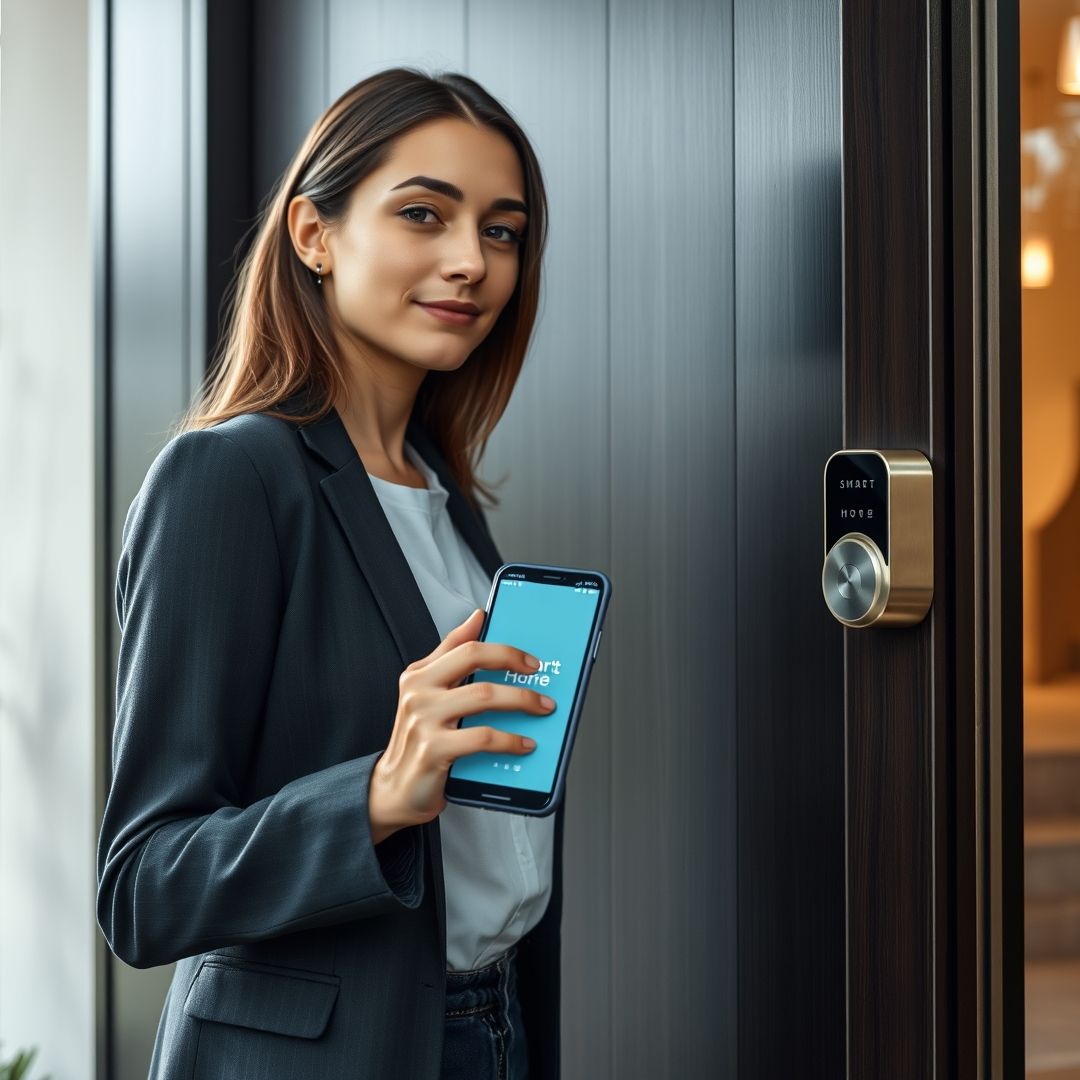
How Smart Locks Improve Your Home Security
In an age where technology seamlessly integrates into nearly every facet of our lives, it’s only natural that our home security systems would follow suit. Gone are the days when a simple deadbolt and a physical key were the pinnacle of protection. Today, smart locks stand at the forefront of residential security, offering an unprecedented blend of convenience, control, and advanced safeguarding features. These innovative devices transform the traditional entryway into a dynamic, intelligent access point, capable of far more than just keeping doors locked. They represent a significant leap forward, moving beyond mere physical barriers to provide proactive monitoring, remote management, and intricate layers of defense against intruders. This article will delve deep into the multifaceted ways smart locks are revolutionizing home security, exploring their core functionalities, integration capabilities, and the peace of mind they deliver to modern homeowners. We will uncover how these connected devices offer enhanced access control, integrate seamlessly with smart home ecosystems, provide advanced tamper alerts, and ultimately, fortify your sanctuary against potential threats, setting a new standard for household safety in the digital era.
The Evolution of Home Security: From Keys to Connectivity
For centuries, the fundamental principle of home security revolved around the physical key and the mechanical lock. While effective for their time, traditional locks inherently possess several vulnerabilities. Keys can be lost, stolen, or duplicated without your knowledge, compromising your home’s integrity. Furthermore, the act of re-keying a lock after a security incident or a change in occupancy is often a cumbersome and costly endeavor. These limitations highlighted a need for a more dynamic and adaptable security solution, one that could transcend the physical constraints of traditional hardware. The advent of digital technology began to chip away at these barriers, introducing keypad locks that offered keyless entry through codes. While a step in the right direction, these early digital locks often lacked the connectivity and intelligence that truly define a ‘smart’ system.
Smart locks emerged as the natural evolution, leveraging wireless technologies like Bluetooth, Wi-Fi, and Z-Wave to connect to your home network and, by extension, to your smartphone or other smart devices. This connectivity is the cornerstone of their enhanced security capabilities, allowing for remote operation, real-time monitoring, and integration with broader smart home ecosystems. Unlike their predecessors, smart locks are not merely static security devices; they are active participants in your home’s defense strategy. They represent a paradigm shift from reactive security measures to proactive, intelligent ones. This leap from simple mechanical locking mechanisms to sophisticated, connected devices has fundamentally changed how homeowners approach and manage their property’s safety, offering a level of control and insight previously unimaginable.
Enhanced Access Control and Monitoring
One of the most profound ways smart locks improve home security is through their unparalleled access control capabilities. Traditional locks offer an all-or-nothing approach: either someone has a key and full access, or they don’t. Smart locks, however, provide a granular level of control that empowers homeowners to manage who enters their property, and when. Keyless entry is a primary benefit, allowing users to unlock doors using a smartphone app, a unique keypad code, a fingerprint, or even voice commands. This eliminates the risk of lost or stolen physical keys, a common vulnerability in traditional security.
Beyond simple keyless entry, smart locks excel in granting temporary or scheduled access. Imagine needing to let a dog walker, cleaner, or maintenance person into your home while you’re away. With a smart lock, you can generate a unique, time-sensitive code that is only valid for a specific duration or during certain hours. Once their task is complete, the code can be automatically revoked or simply expires, ensuring that access is limited precisely as intended. This feature is invaluable for short-term rentals, guest stays, or managing service providers without compromising overall security. Furthermore, the ability to remotely lock or unlock your door from anywhere in the world provides immense peace of mind. Forgot to lock up before leaving for work? A quick check on your smartphone app confirms your door’s status, allowing you to secure it with a tap. Many smart locks also maintain a detailed activity log, recording who entered or exited, and at what time. This digital footprint offers an invaluable audit trail, providing clarity and accountability, especially in homes with multiple occupants or frequent visitors. This level of oversight and customizable access is a significant upgrade over traditional lock systems, bolstering security by keeping homeowners informed and in control.
Integration with Smart Home Ecosystems
The true power of smart locks is often fully realized when they are integrated into a larger smart home ecosystem. Unlike standalone devices, a smart lock that communicates with other connected devices in your home creates a synergistic security network that offers comprehensive protection. For instance, when your smart lock detects that the door has been unlocked, it can trigger a chain of events across your smart home system. This might include turning on specific lights to give the impression someone is home, adjusting the thermostat, or even disarming your security alarm system automatically.
Seamless integration with security cameras and smart doorbells is particularly impactful. If an unauthorized attempt to access your home occurs, the smart lock can send an alert, and simultaneously, your smart doorbell camera can begin recording footage, providing visual evidence of the incident. Some advanced smart home security solutions offered by companies like megaintersec often leverage this multi-device communication to create robust, layered defense systems. Imagine a “leaving home” scene: as you lock your smart door, your lights turn off, your thermostat adjusts, and your security cameras activate, all with a single command or automated trigger. Conversely, an “arriving home” scene could unlock the door, turn on entryway lights, and disarm your alarm. Voice assistant integration (e.g., Amazon Alexa, Google Assistant) further enhances convenience and control, allowing you to lock your doors with a simple verbal command. This interconnectedness not only amplifies security but also streamlines daily routines, making your home more efficient and responsive to your needs. The ability for various smart devices to communicate and act in concert elevates smart locks from simple security devices to integral components of a holistic and intelligent home protection strategy.
Advanced Security Features and Tamper Alerts
Beyond access control and integration, smart locks come equipped with a suite of advanced security features designed to detect and deter potential threats. One fundamental aspect is the robust encryption protocols employed to protect the wireless communication between the lock and your smartphone or smart hub. This ensures that unauthorized individuals cannot intercept or manipulate the signals, safeguarding your digital security as much as your physical security. Many smart locks also include an auto-locking feature, which can be configured to automatically lock the door after a set period of time or once it detects that the door has been closed. This eliminates the common worry of forgetting to lock the door, a simple oversight that can have serious security implications.
Perhaps one of the most critical security enhancements offered by smart locks is their ability to provide immediate tamper alerts and notifications. If someone attempts to physically tamper with the lock, force the door open, or enters an incorrect code multiple times, the smart lock can instantly send an alert to your smartphone. This real-time notification allows you to react promptly, whether by contacting authorities or checking your security cameras. Some models even incorporate built-in alarms that sound loudly when tampering is detected, potentially scaring off intruders. Furthermore, the integrity of smart locks against physical attacks is often rigorously tested, with many models boasting impressive ratings against drilling, picking, and forced entry, aligning with high standards of residential security enhancements. Battery life and backup power sources are also key considerations; most smart locks are designed to last for months on standard batteries and often provide low-battery warnings well in advance, with physical key overrides typically available as a failsafe. Cybersecurity is also paramount; reputable manufacturers regularly release firmware updates to patch vulnerabilities and enhance security, making it crucial for users to keep their devices updated. The combination of these robust physical and digital security measures, from encrypted communications to immediate tamper alerts, significantly bolsters a home’s defense system, providing a proactive layer of protection that traditional locks simply cannot offer. For those seeking advanced access control systems, these features are paramount.
Convenience That Bolsters Security
While often highlighted for their security features, the convenience offered by smart locks inherently contributes to a safer home environment. The most obvious convenience is the elimination of physical keys. Misplaced keys are a common cause of anxiety and security breaches. With smart locks, there’s no need to worry about lost keys falling into the wrong hands, or the expense and hassle of re-keying your entire home. Your smartphone becomes your key, or you simply remember a code, a fingerprint, or your voice command. This not only streamlines your daily routine but also removes a significant vulnerability point. The ability to grant remote, temporary access to trusted individuals, such as pet sitters, house cleaners, or delivery personnel, without physically handing over a key or making copies, is a massive convenience that simultaneously enhances security. No longer do you need to hide a spare key under a doormat or a rock, a notoriously insecure practice. Instead, you can provide a unique, temporary code that expires after use or a set period, ensuring that access is precisely controlled and monitored.
For families with children, smart locks offer immense peace of mind. You can receive notifications when your children arrive home from school, ensuring they’ve safely entered. If they forget their code or their phone, a quick call to you can result in a remote unlock, avoiding them being stranded outside. This combination of convenience and direct control streamlines daily life while providing an extra layer of safety. The audit trails mentioned previously also serve a dual purpose: security monitoring and providing convenient insights into who accessed your home and when. This can be useful for managing household routines, ensuring punctuality of service providers, or simply tracking family movements. Ultimately, the ease of use, flexibility, and real-time control provided by smart locks reduce friction in daily life while simultaneously strengthening your home’s defenses. For those interested in integrated smart technology for their living spaces, the convenience factor of smart locks is a primary driver.
Addressing Common Concerns and Future Trends
Despite their numerous advantages, smart locks do come with common concerns that homeowners often raise. One primary worry revolves around battery dependency. What happens if the batteries die? Reputable smart locks are designed with this in mind, offering low-battery warnings well in advance, often for weeks. Most models also retain a traditional key override, ensuring you’re never completely locked out. Another concern is internet reliance; if your Wi-Fi goes down, will the lock still function? Many smart locks have local Bluetooth connectivity, allowing them to operate via your smartphone within close range even without an internet connection. Furthermore, codes entered on the keypad typically work independently of internet connectivity once programmed. Cybersecurity and privacy are also vital considerations. Choosing smart locks from reputable manufacturers that prioritize strong encryption, regular firmware updates, and robust data privacy policies is crucial. Users should also ensure they use strong, unique passwords for their smart home accounts and enable two-factor authentication whenever possible to safeguard against hacks.
Looking to the future, smart lock technology is poised for even more sophisticated advancements. We can expect to see further integration with artificial intelligence, allowing locks to “learn” patterns and proactively suggest security adjustments. Biometric recognition will likely become even more prevalent and precise, moving beyond simple fingerprints to include facial recognition or even iris scans for ultra-secure authentication. The continued evolution of IoT (Internet of Things) standards will lead to even more seamless and reliable interoperability between smart locks and other smart home devices, creating truly intelligent and responsive security ecosystems. As connectivity technologies like 5G become more widespread, the speed and reliability of remote lock operations will also improve significantly. Furthermore, the development of self-powering smart locks, perhaps leveraging kinetic energy or advanced solar cells, could address battery concerns more comprehensively. The landscape of home security is continuously evolving, and smart locks are at the forefront of this transformation, offering homeowners cutting-edge security innovations that promise a safer, more connected, and more intelligent future for their homes.
Conclusion
Smart locks represent a pivotal advancement in the realm of home security, moving far beyond the limitations of traditional mechanical locks. By integrating connectivity, advanced features, and seamless compatibility with smart home ecosystems, they offer homeowners a multi-layered defense strategy that is both proactive and incredibly convenient. We’ve explored how these devices provide enhanced access control through keyless entry and customized temporary codes, significantly reducing the vulnerabilities associated with physical keys. Their ability to integrate with other smart devices, such as cameras and voice assistants, creates a cohesive security network that offers comprehensive monitoring and automated responses, effectively elevating the entire home’s protective capabilities. Furthermore, smart locks provide critical advanced security features like encrypted communication, auto-locking, and real-time tamper alerts, delivering immediate notifications of potential threats and offering unparalleled peace of mind.
The inherent convenience of smart locks, from eliminating lost keys to simplifying access for trusted individuals, directly contributes to a more secure and manageable home environment. While acknowledging concerns regarding battery life, internet reliance, and cybersecurity, ongoing technological advancements and best practices in device selection and usage continue to mitigate these issues. As the smart home ecosystem continues to evolve, smart locks are set to become even more intelligent, intuitive, and integral to our safety. Investing in a smart lock is not merely an upgrade to your front door; it’s an investment in a smarter, more secure, and more responsive home. They empower you with unprecedented control and awareness, transforming your entryway into a vigilant guardian and ensuring that your sanctuary remains just that: safe, secure, and truly yours. For comprehensive smart home security solutions, exploring these modern safeguards is an essential step towards future-proofing your home’s protection.
 UNV
UNV Dahua
Dahua Hikvision
 Cisco
Cisco Mikrotik
 Dalton smart locks