 CCTV
CCTV NETWORK
 SMART HOME
 SOFTWARE


How Smart Home Systems Increase Your Property Value

“`html
How Smart Home Systems Increase Your Property Value
The real estate landscape is undergoing a silent revolution, driven not by bricks and mortar, but by silicon chips and wireless protocols. As technology continues to weave itself into the fabric of our daily lives, smart home systems have transitioned from futuristic novelties to highly desirable features capable of significantly impacting property values. Homebuyers are no longer just looking for a sturdy roof and a good floor plan; they are actively seeking the convenience, security, and efficiency that integrated smart technologies provide. This demand signals a fundamental shift where a home’s intelligence quotient is becoming a measurable asset on the appraisal sheet.
Investing in smart home automation is no longer just about enhancing personal lifestyle; it’s a strategic financial decision. Well-planned smart technology installations can yield substantial returns when it’s time to sell, often outpacing more traditional home improvements. This comprehensive guide delves into the compelling connection between smart home systems and increased property value, exploring the why, how, and how much. We’ll examine the specific features buyers desire, quantify the potential return on investment, discuss crucial considerations for implementation, and address potential pitfalls. By understanding how smart technology elevates a property’s market appeal, homeowners and investors can make informed decisions that boost both livability and long-term financial gain.
The Rise of Smart Home Technology and Market Desirability
The proliferation of affordable smart devices and ubiquitous high-speed internet has propelled smart homes into the mainstream. Once confined to luxury estates, features like app-controlled lighting, thermostats, and security cameras are increasingly common across various price points. This widespread adoption has naturally shaped buyer expectations. Today’s market, particularly among younger generations entering their prime home-buying years, views integrated technology not as a luxury, but as a baseline expectation for modern living.
Forward-thinking real estate agents consistently report higher engagement and faster sales for listings featuring properly integrated smart home systems. These homes are perceived as contemporary, well-maintained, and ready for the future. The embedded technology signals to buyers that the property is not obsolete but is rather aligned with 21st-century lifestyles. The very presence of a robust smart system instills confidence, suggesting the homeowner has invested in quality and ease of use. This perception directly translates into higher perceived value, often resulting in competitive bidding and sale prices exceeding initial estimates.
Furthermore, the shift towards remote work and increased time spent at home has amplified the importance of comfort, efficiency, and security. Buyers actively seek environments that enhance daily life through automation. A home that proactively manages energy use, safeguards occupants, and simplifies routine tasks offers immense practical value, making it inherently more appealing and valuable in a crowded marketplace. Choosing the right system foundations can ensure seamless operation, making professional smart home installation a wise consideration for maximizing reliability and appeal.
Quantifiable Value: How Much Can Smart Tech Boost Your Home’s Worth?
While the appeal is clear, homeowners and investors rightly ask: what’s the actual return? Numerous studies and industry reports provide concrete data on the financial impact of specific smart home technologies. Research consistently indicates that professionally installed, integrated systems yield the highest returns.
Energy efficiency features are particularly potent value drivers. Smart thermostats, like Nest or Ecobee, routinely showcase returns on investment (ROI) between 10-15% and can reduce annual heating and cooling costs significantly. Studies suggest homes featuring smart thermostats sell for roughly 1-3% more than comparable non-smart homes. Similarly, smart lighting systems, leak detectors, and HVAC zoning controls contribute to potential savings that buyers find immediately attractive and are willing to pay a premium for upfront.
Security enhancements offer substantial value increases. Comprehensive systems integrating smart locks, video doorbells, surveillance cameras, and monitored alarms deliver unparalleled peace of mind. Data suggests homes with professionally monitored security systems can command premiums of 3-5% at sale, largely driven by the tangible security benefits and potential insurance discounts they unlock. The deterrent factor against break-ins also preserves value by safeguarding the property itself. Investing in comprehensive smart home solutions that encompass both security and automation often yields synergistic value far greater than individual devices.
Overall marketability is a less tangible but crucial factor. Smart homes typically spend less time on the market compared to traditional homes. This speed translates into fewer carrying costs for sellers and reduces the risk of price reductions due to stagnation. Appraisers are increasingly considering smart home features, particularly permanent, integrated systems that enhance efficiency or security, as value-adding components, effectively moving the needle on the official valuation.
Key Smart Home Features That Deliver Maximum Value
Not all smart devices are created equal when it comes to boosting property value. Strategic selection focusing on integration, permanence, and tangible benefits is key. Core systems that directly impact core homeowner priorities—security, efficiency, and convenience—offer the best ROI potential.
At the forefront are robust security systems. Smart locks with keyless entry or remote access provide both convenience and an enhanced security layer. Video doorbells offer identification and monitoring capabilities even when away. Integrated security cameras, preferably with professional monitoring options, create a powerful deterrent and incident response system. Buyers perceive these integrated security layers as major value-adds. Incorporating advanced home security systems with smart automation provides a strong selling proposition.
Energy management solutions consistently rank high. Smart thermostats learn schedules and optimize heating/cooling, demonstrably cutting energy bills. Smart lighting with occupancy sensors and scheduling reduces electricity usage and enhances convenience. Smart irrigation controllers tailor watering to weather conditions, conserving water. These features offer ongoing savings, making the initial investment highly appealing to cost-conscious buyers.
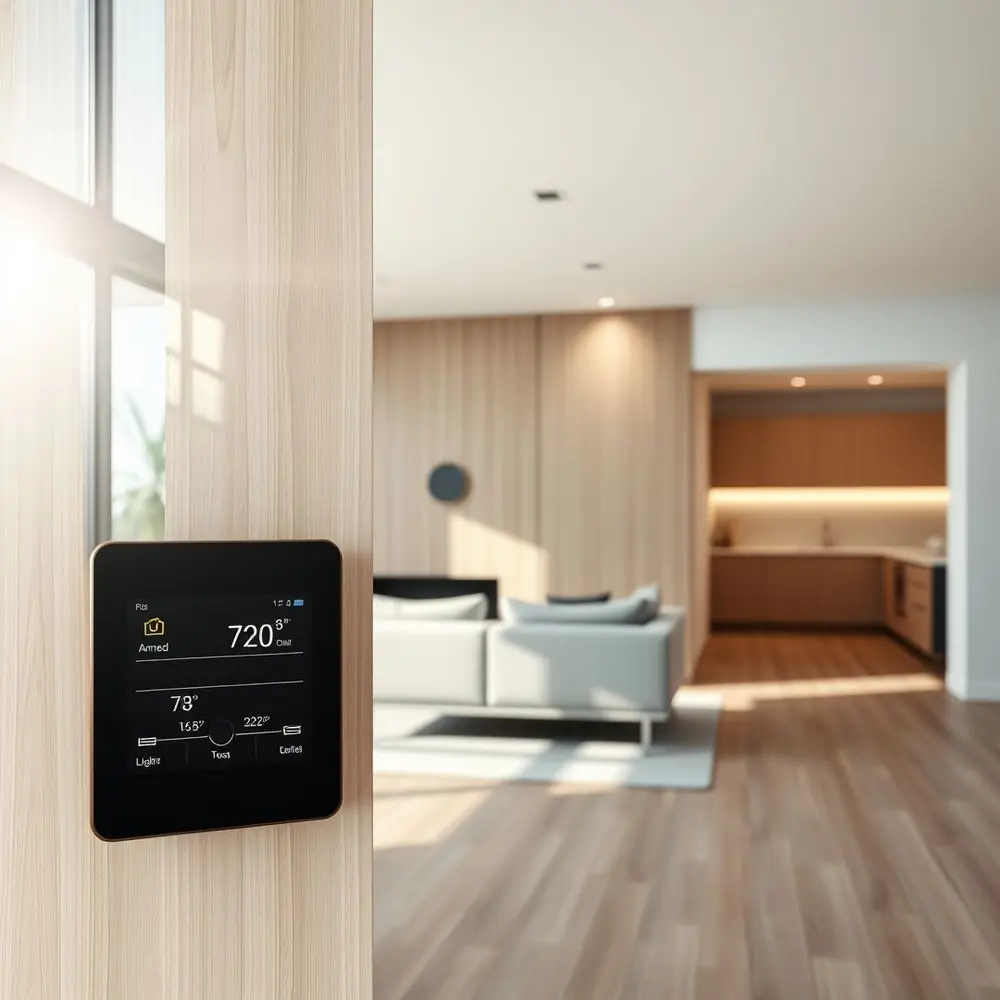
Home automation hubs and integrated control are increasingly critical. The value isn’t just in individual devices but in their ability to work together seamlessly. Systems allowing centralized control of lighting, climate, entertainment, and security via a single app, voice assistant, or touch panel signal sophistication and true convenience. This level of integration elevates the entire smart home experience, demonstrating a well-thought-out technological infrastructure that buyers recognize and value.
Integration Matters: DIY Kits vs. Professionally Installed Systems
The distinction between piecemeal DIY smart products and professionally designed and installed integrated systems significantly impacts both the user experience and the eventual property valuation. While DIY solutions offer affordability and quick setup, they often lack the sophistication, reliability, and scalability that maximize long-term value.
DIY smart home devices are typically standalone products requiring separate apps and offering limited interoperability. This can lead to a fragmented experience, potential connectivity issues (especially when numerous devices compete for Wi-Fi bandwidth), and a complex setup process that may deter future buyers. Furthermore, reliance on proprietary app ecosystems poses challenges if a company discontinues support or changes subscription models, potentially rendering devices obsolete or useless. While convenient for renters or simple enhancements, DIY setups rarely integrate deeply with core home systems like HVAC or electrical.
Professionally installed smart home systems provide a stark contrast. Companies like megaintersec specialize in designing unified ecosystems using commercial-grade equipment. These systems integrate diverse components—lighting, security, climate control, entertainment, blinds—onto a single, reliable platform controllable from an intuitive interface. Installation by certified technicians ensures proper integration with existing home wiring, optimized wireless networks (often using robust protocols like Zigbee or Z-Wave to avoid Wi-Fi congestion), and programming tailored to homeowner lifestyles. Crucially, professional systems are designed to be future-proof, allowing easy upgrades, scaling and support. This level of integration, reliability, convenience, and permanence translates directly to higher perceived and actual property value compared to a collection of plug-in gadgets.
Considering the Investment: Smart Upgrades with the Best ROI
With numerous options available, strategic prioritization ensures the biggest bang for your buck when implementing smart technology specifically to enhance property value. Focus on upgrades that offer widespread appeal, proven returns, and relatively straightforward integration.
Start with the low-hanging fruit: the Smart Thermostat. This is arguably the single most cost-effective smart upgrade with immediate, demonstrable benefits in energy savings and appeal to a broad spectrum of buyers. A Smart Video Doorbell runs a close second, combining enhanced curb appeal through modern aesthetics with tangible security benefits visible to prospective buyers during viewings. Upgrading to Smart Lighting in key common areas (living room, kitchen, hallways) is another high-impact move, offering both ambiance control and perceived efficiency. Ensure core entry points are secured with Smart Locks featuring robust authentication methods.
For homeowners seeking a more significant value boost, strive for seamless integration. Investing in a centralized smart home hub that controls multiple systems (climate, lighting, security) from one intuitive interface (app or wall panel) significantly elevates the user experience. Consider permanent hardwired security cameras for key exterior areas as a valuable security feature. Solutions like landscape lighting control and motorized blinds add a layer of sophisticated automation that resonates with higher-end buyers. Leverage smart home design expertise within planning to prioritize integrations that maximize future compatibility and desirability.
Think long-term value and universality. Avoid highly niche or gimmicky gadgets that may not appeal universally. Prioritize systems using open or widely adopted standards over proprietary lock-in ecosystems, ensuring future compatibility for both you and the next owner. Visibility is key; ensure that valuable smart features are easily demonstrable to potential buyers during showings, highlighting security capabilities, energy savings potential, and ease of use through a unified interface.
Future-Proofing and Avoiding Obsolescence
Technology evolves rapidly, and a system that seems cutting-edge today might feel outdated tomorrow. Ensuring your smart home investment retains its value over time requires a focus on future-proofing strategies.
The bedrock of longevity is choosing scalable and modular platforms. Professional systems built around open standards (like KNX, Lutron, Control4’s compatible devices, or robust mesh networks like Zigbee/Z-Wave) offer significant advantages. These allow for seamless integration of new devices and technologies as they emerge, preventing the need for costly rip-and-replace upgrades. Proprietary, closed ecosystems risk becoming isolated islands of technology with limited expansion potential, potentially leading buyers to deduct value for necessary future upgrades.
Centralized control is another pillar of future-proofing. Systems operating through a dedicated hub or controller are far easier to update and expand than a constellation of standalone devices dependent on individual apps or manufacturer clouds, which may disappear. Prioritizing systems with strong vendor track records for providing software updates and long-term support contracts reduces the risk of premature obsolescence.
Lastly, emphasize infrastructure investments that enable future enhancements. Running ample structured wiring (like Cat6 ethernet) to ceiling points for Wi-Fi access points, ensuring robust and upgradable networking hardware, and allocating space for potential equipment additions during installation lays the groundwork for accommodating future innovations – a subtle feature highly valued by tech-savvy buyers assessing a home’s long-term viability.
Mitigating Potential Drawbacks: Privacy, Complexity, and Compatibility
While the benefits are significant, it’s prudent to acknowledge and address potential buyer concerns surrounding smart homes. Proactively mitigating these issues preserves the system’s value.
Data privacy and security are paramount. Choosing reputable manufacturers with clear privacy policies and a strong security focus is vital. Systems featuring robust encryption, regular firmware updates, and clear user controls over data sharing inspire buyer confidence. Professional installers ensure secure network segmentation, potentially isolating smart devices from primary computers to limit vulnerability.
Managing complexity requires thoughtful design. An overly complex system with fragile integrations can be a maintenance burden. Opt for solutions renowned for stability and straightforward interfaces. Professional system design prioritizes usability, ensuring complex automations run reliably while daily control remains intuitive. Provide comprehensive documentation, including clear instructions for operating the system and a list of connected devices/services, so you know essential logins and subscriptions that transfer to the new owner.
Compatibility challenges can arise with mixed technology ecosystems. While some buyers may want specific brands, choosing a core system based on widely used standards minimizes this. Offering a transferable support contract or agreement from the original installer provides added assurance to buyers concerned about managing the system after purchase. This transforms a potential hurdle into a tangible selling point.
Conclusion: Smart Homes as a Strategic Investment
The evidence is clear: thoughtfully implemented smart home technology is a powerful lever for increasing property value and marketability. From significant boosts in selling price and faster time on market to enhanced curb appeal and attractivet-wrapper for modern lifestyles, the benefits extend far beyond mere convenience. Core features focused on security (smart locks, surveillance), energy efficiency (smart thermostats, lighting), and integrated control deliver tangible returns and resonate deeply with contemporary buyers.
Investing in a professionally designed and installed system significantly amplifies this value proposition compared to piecemeal DIY approaches. Platforms offered by specialized providers ensure reliability, scalability, seamless integration, and long-term support, crucial factors valued during real estate transactions. While considerations like avoiding obsolescence and mitigating privacy concerns require attention, these are manageable with careful planning and strategic choices.
Ultimately, integrating smart home technology isn’t just about keeping up with trends; it’s a forward-looking financial strategy. By choosing robust, well-integrated systems that enhance everyday living while promising future adaptability, homeowners transform their property into a more valuable, efficient, desirable, and secure asset, positioned to command a premium when entering the competitive real estate market.
“`
 UNV
UNV Dahua
Dahua Hikvision
 Cisco
Cisco Mikrotik
 Dalton smart locks