 CCTV
CCTV NETWORK
 SMART HOME
 SOFTWARE


CCTV and Privacy Laws in Dubai: What You Need to Know

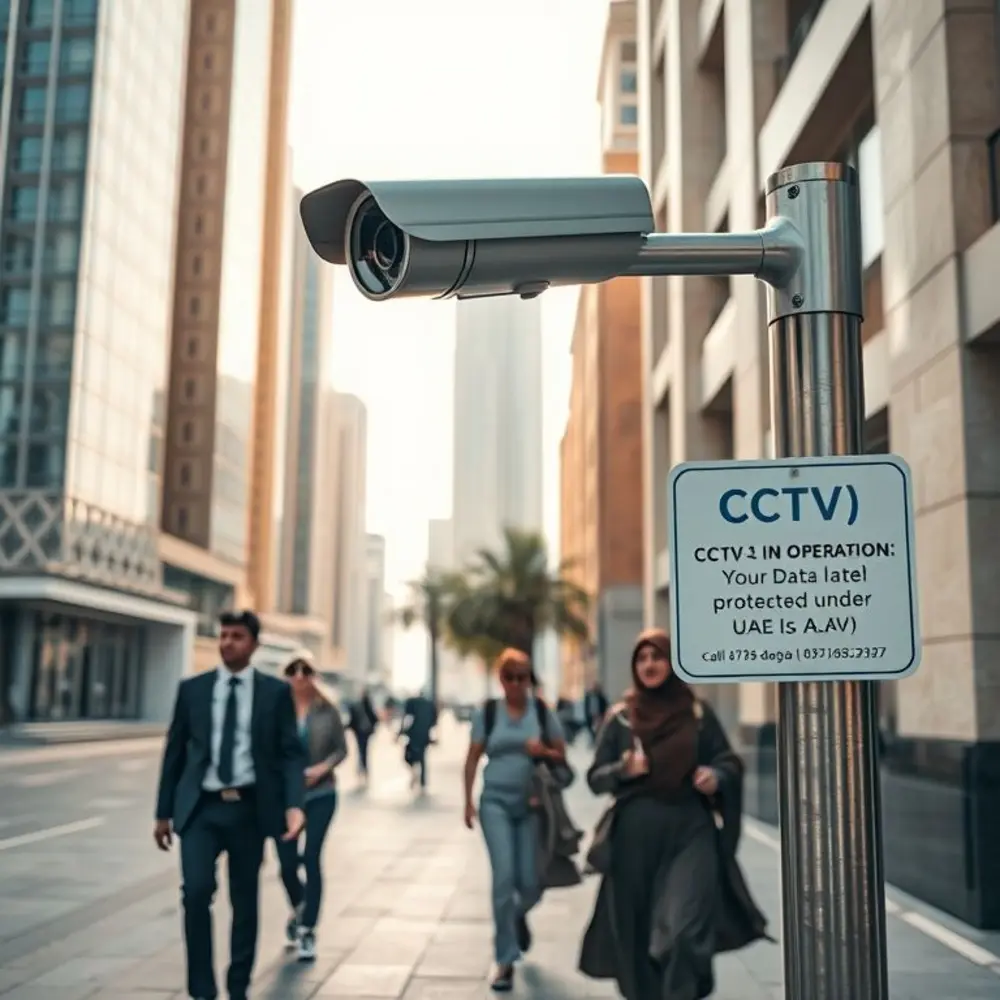
Stepping out onto the vibrant streets of Dubai, whether strolling through the opulent Dubai Mall, navigating a gleaming metro station, or even entering your own apartment building, you can’t escape the distinct presence of discreetly positioned cameras. CCTV surveillance has become as integral to the Emirate’s landscape as its soaring skyscrapers and bustling souks. But with this ever-watchful eye comes a crucial question: where does the pursuit of public safety end and the infringement of personal privacy begin? Navigating this delicate balance requires a clear understanding of the legal framework governing CCTV use. Let’s delve into what residents, businesses, and visitors need to know about security cameras and privacy rights in the dynamic environment of Dubai.
The Ubiquity of CCTV: Dubai’s Eyes on Safety
Dubai’s commitment to being a global leader extends into its focus on security and safety. The city has embraced closed-circuit television (CCTV) technology with remarkable enthusiasm. Driven by legitimate goals like deterring crime, preventing terrorism, managing traffic, protecting property, and ensuring public order, cameras are omnipresent. Major public areas such as airports, metro systems, shopping malls, parks, and highways are under constant observation. Law enforcement agencies leverage powerful centralized monitoring systems, while private entities – from multinational corporations and sprawling residential communities to small retail shops and hotel lobbies – invest heavily in their own surveillance networks. This dense matrix of cameras undeniably contributes to Dubai’s enviable reputation as one of the world’s safest cities for residents and tourists alike. But this pervasive surveillance inevitably touches upon the fundamental human right to privacy.
Understanding the Legal Landscape: Privacy Laws in Dubai
While Dubai lacks a single, dedicated CCTV-specific law dictating every nuance, a robust web of federal and local legislation collectively governs its use and protects individual privacy. The cornerstone is Federal Decree-Law No. 45 of 2021 on the Protection of Personal Data Protection (the UAE Data Protection Law). This comprehensive law, significantly inspired by international standards like the GDPR, establishes a strong framework for processing any personal data, including identifiable images and video captured by surveillance systems. It mandates core principles: transparency, legitimate purpose, data minimization, accuracy, security, and accountability.
Beyond the federal law, several other regulations come into play. Dubai Law No. 26 of 2007 Regulating Security Service Providers is vital, as it sets licensing requirements and operational standards for security companies installing and monitoring CCTV systems. Penal codes address illegal surveillance, voyeurism, and the unauthorized disclosure of footage. Furthermore, sector-specific guidelines, such as those issued by regulatory bodies like the Dubai International Financial Centre (DIFC) or the Dubai Health Authority (DHA), may impose additional rules for CCTV usage within their jurisdictions. Understanding this layered legal structure is paramount for anyone operating or interacting with CCTV.
When is CCTV Use Permitted? Legal Grounds and Requirements
Installing cameras isn’t a free-for-all in Dubai. Both the UAE Data Protection Law and associated regulations set clear boundaries justifying camera use. Legitimate legal grounds include:
- Security & Safety: Protecting people and property against crime, accidents, or malicious acts.
- Public Interest: Maintaining public order, managing traffic flow, or safeguarding critical infrastructure.
- Compliance: Fulfilling specific legal or regulatory obligations.
- Legitimate Interests: Protecting the controller’s interests, but only where these interests don’t override the fundamental rights and freedoms of individuals (a carefully balanced test).
For private entities like businesses or building management, obtaining prior consent from individuals before filming them can be challenging and often impractical in public-access areas. Consequently, legitimate interests and security purposes become the primary justifications. Crucially, even where consent isn’t the primary basis, strict transparency requirements kick in.
Transparency is Non-Negotiable: Notification and Signage
Arguably one of the most critical aspects of compliant CCTV operation in Dubai is clear and unambiguous notification. You cannot legally film people secretly in spaces where they have a reasonable expectation of privacy or even in public/private areas without adequate warnings. This means prominent signage is absolutely mandatory wherever surveillance is taking place. Signs must be easily visible, placed at all entry points, and clearly state that CCTV is in operation. Ideally, they should also include:
- The identity and contact details of the data controller (the entity responsible for the footage).
- The primary purpose of the surveillance (e.g., “For Security Purposes”).
- A reference to individuals’ privacy rights under the UAE Data Protection Law.
Think of it this way: the signs are the first line of legal defense for the controller and provide essential information to individuals, allowing them to make an informed decision about entering the monitored zone. Failure to display adequate signage constitutes a significant breach of the law.
Information Handling: Storing, Accessing, and Protecting Your Image
Capturing the footage is just the beginning; what happens to it afterwards is heavily regulated. The UAE Data Protection Law imposes stringent rules:
- Data Minimization: Only film areas necessary for the stated purpose. Blanket coverage without justification is problematic.
- Retention Periods: Footage cannot be kept indefinitely. Controllers must define, justify, and adhere to specific retention periods (often 30-90 days for security purposes, unless an incident needs investigation) and securely delete footage afterwards. Need help establishing compliant retention policies? Engaging a security solutions provider experienced in data governance is advisable.
- Access Control: Access to live feeds and recorded footage must be strictly limited only to authorized personnel with a legitimate need.
- Security Measures: Robust technical and organizational measures are required to prevent unauthorized access, disclosure, alteration, destruction, or loss of footage. This includes encrypted storage, access logs, and secure server environments. Investing in compliant security systems from the outset minimizes risk.
- Disclosure: Sharing footage with third parties (including law enforcement) generally requires a legal basis, such as a court order or the explicit consent of the individuals shown, unless vital for crime prevention or investigation.
Your Rights Under the Lens: Individual Protections
The UAE Data Protection Law empowers individuals with specific rights concerning their personal data captured on CCTV:
- Right of Access: You have the right to request confirmation of whether you are being filmed and request a copy of footage where you are clearly identifiable, subject to certain legal restrictions (e.g., if it compromises an ongoing investigation).
- Right to Rectification: You can request correction if the footage contains inaccurate personal data about you.
- Right to Erasure (Deletion): Under certain circumstances, you may request the deletion of footage holding your image, particularly if the processing is unlawful, the purpose has lapsed, or you withdraw consent (if consent was the basis).
- Right to Object: In some situations, especially where legitimate interests are the basis for filming, you may have the right to object to being filmed.
- Right to Complain: If you believe your rights are being violated, you can lodge a complaint with the UAE Data Office, the federal regulatory authority for data protection.
Exercising these rights requires contacting the data controller identified on the CCTV signage.
Where Privacy Holds Sway: Off-Limits Zones
Even with legitimate security purposes, the law explicitly forbids CCTV surveillance where individuals have a high and reasonable expectation of absolute privacy. Placing cameras, including hidden cameras, in the following locations is strictly illegal:
- Toilets and Restrooms
- Changing Rooms and fitting areas in retail stores
- Guest Bedrooms within hotels or serviced apartments (though common areas like hallways are monitored)
- Private Residences: Illegally surveilling the interior of someone’s home is a serious offense.
- Places of Worship in sensitive areas.
Cameras pointing towards windows or balconies of neighboring properties, potentially capturing activity inside private homes, quickly enter the realm of voyeurism and unlawful intrusion.
Workplace Watching: Monitoring Employees
Using CCTV within workplaces (offices, warehouses, construction sites, etc.) is common for security and operational efficiency. However, employers walk a fine line. Surveillance must be clearly justified, proportional, and transparent. Filming must generally be restricted to communal areas, entrances and exits, and areas holding valuable assets. Covert surveillance should be exceptionally rare and legally difficult to justify. Critically, monitoring employee activity for performance assessment without prior, very clear disclosure and potentially consent is highly contentious and often unlawful under UAE privacy principles. Staff must be fully informed about where cameras are located, why they are there, who views footage, how long it’s kept, and their rights. An expert CCTV installation partner understands these intricacies.
The Cost of Non-Compliance: Penalties and Reputational Damage
Ignoring Dubai’s CCTV and privacy regulations is not an option. The UAE Data Protection Law prescribes serious administrative fines for violations, reaching up to AED 50 million. The severity depends on the infringement – exposing sensitive personal data illicitly, failing on security, not having proper consent (where required), disregarding transparency, or exceeding data retention limits. Similarly, breaching signage requirements under the Security Provider law can attract penalties. Beyond the financial hit, which can be huge for SMEs, organizations risk severe reputational damage and loss of public trust in an environment where privacy is increasingly valued. In extreme cases, particularly involving voyeurism or willful malicious surveillance, criminal charges can be pursued.
Striking the Right Balance: Best Practices for Responsible CCTV Use
How can organizations leverage the security benefits of CCTV while respecting privacy? Key best practices include:
- Conduct a Data Protection Impact Assessment (DPIA): Before installing cameras, assess necessity, proportionality, privacy risks, and mitigation measures.
- Establish Clear Policies: Develop detailed CCTV usage, data handling, access control, and breach notification policies, ensuring they comply with the UAE Data Protection Law.
- Prioritize Transparency: Deploy highly visible, legally compliant signage before entering monitored areas.
- Implement Strong Security: Protect stored footage with industry-standard encryption, access controls, and audit logs.
- Define and Enforce Retention: Set strict, justifiable retention periods and ensure automatic deletion protocols.
- Train Personnel: Staff handling CCTV systems must understand the legal requirements and ethical responsibilities.
- Consider Professional Guidance: Partnering with a reputable provider specializing in privacy-compliant surveillance solutions ensures systems are designed and operated legally from day one. Companies like megaintersec understand the Dubai landscape intimately.
- Internal Audits: Conduct regular checks to ensure ongoing compliance, potentially including professional security assessments.
The Road Ahead: Technology, Ethics, and Regulation
The future of surveillance in Dubai is inextricably linked to technological advancement. High-resolution cameras, facial recognition, artificial intelligence (AI) for behavioral analytics, and integrated smart city platforms offer unprecedented capabilities. While promising enhanced public safety and operational efficiency, these technologies raise profound privacy and ethical questions. Will individuals be continuously identified and tracked across the city? How do we prevent bias in AI algorithms? What safeguards exist against mass profiling? Regulatory evolution will need to keep pace. Expect future updates to existing laws or new regulations specifically tackling biometric data and complex analytics, demanding even greater accountability, purpose limitation, and transparency from controllers. Public discourse and ethical considerations must guide this technological integration to ensure Dubai remains both safe and respectful of fundamental rights.
Conclusion: Navigating Watchful Eyes with Knowledge
The relationship between ubiquitous CCTV and the right to privacy in Dubai is complex but not unmanageable. By understanding the core principles of the UAE Data Protection Law, the mandatory transparency requirements, the significance of legitimate purpose and proportionality, and the stringent rules around data handling, both organizations and individuals can operate confidently. Businesses and property owners must prioritize compliance, embedding privacy safeguards into the very design and operation of their surveillance systems to avoid significant penalties and maintain trust. Individuals, empowered with knowledge of their rights, can better understand when and why they are being monitored. Ultimately, navigating Dubai’s landscape of watchful eyes requires a shared commitment: leveraging technology for safety and security while steadfastly upholding the legal and ethical boundaries that protect the invaluable right to privacy. Balancing these pillars is key to sustaining the fabric of trust within this futuristic metropolis.
 UNV
UNV Dahua
Dahua Hikvision
 Cisco
Cisco Mikrotik
 Dalton smart locks