 CCTV
CCTV NETWORK
 SMART HOME
 SOFTWARE


Dubai CCTV installation cost

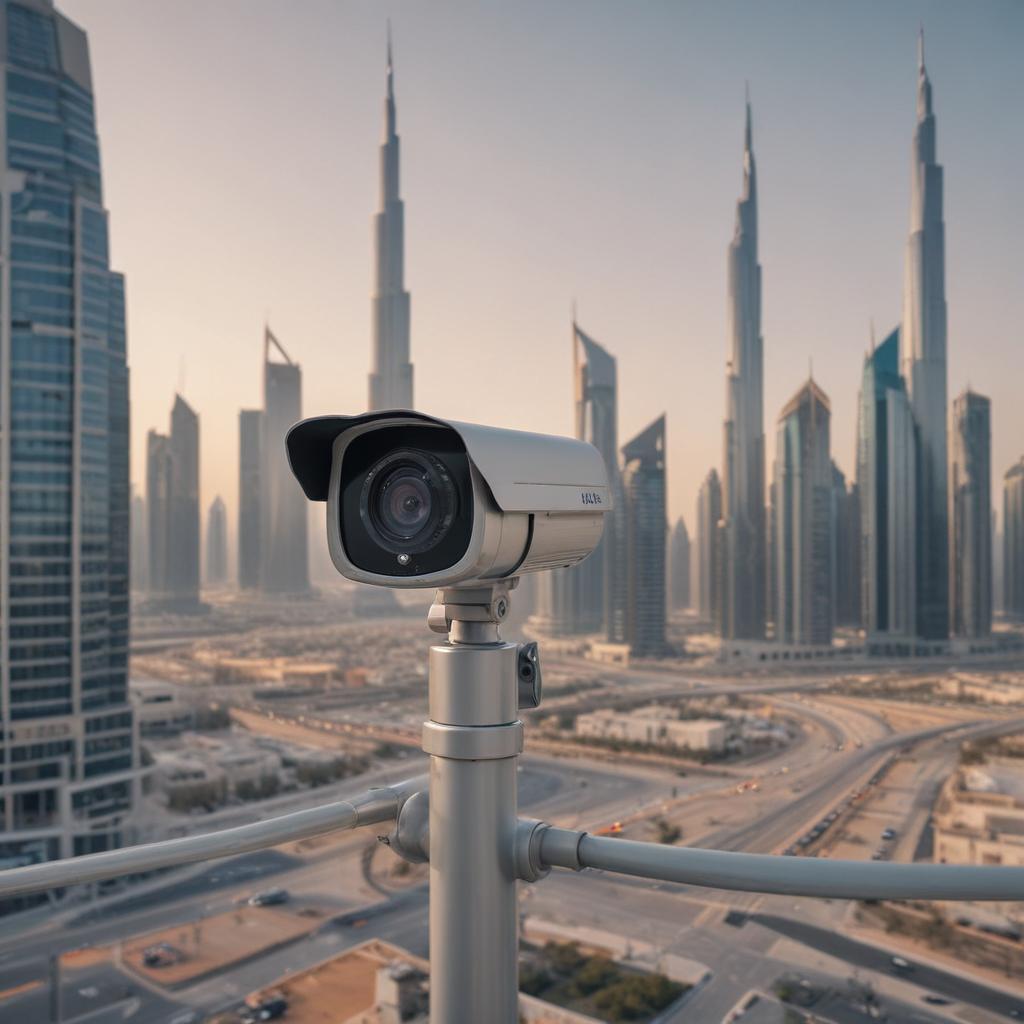
“`html
Understanding Dubai CCTV Installation Cost: A Comprehensive Guide
Dubai, a city synonymous with innovation, luxury, and security, places a high premium on safety. As both residential and commercial sectors continue to flourish, the demand for robust surveillance systems, particularly CCTV, is ever-increasing. For individuals and businesses looking to enhance security, a primary concern is the cost associated with installing a CCTV system. Understanding the factors that influence Dubai CCTV installation cost is crucial for budgeting and making informed decisions.
It’s not a one-size-fits-all figure; the expense can vary significantly based on a multitude of elements, ranging from the type of equipment chosen to the complexity of the installation process and regulatory requirements. This guide aims to provide a comprehensive breakdown of what contributes to the overall cost of installing a CCTV system in Dubai.
Why Investing in CCTV in Dubai is Essential
Before diving into costs, it’s important to reiterate why CCTV is a vital security measure in a dynamic city like Dubai. CCTV systems act as powerful deterrents against theft, vandalism, and unauthorized access. They provide crucial visual evidence in the event of an incident, aid in monitoring activities, improve employee safety, and contribute to overall peace of mind for residents and business owners. Given the city’s standards for safety and security, installing a reliable CCTV system is not just an option, but often a necessary component of modern living and operating a business.
Factors Affecting Dubai CCTV Installation Cost
Determining the exact Dubai CCTV installation cost without a site assessment is challenging. However, several key factors consistently influence the final price tag. Understanding these will help you estimate potential expenses and discuss your needs effectively with CCTV installation services in Dubai.
Type of CCTV Camera
The choice of camera technology is a major cost driver.
- Analog vs. IP Cameras: Analog systems are generally less expensive upfront but offer lower resolution. IP cameras (Network Cameras) provide higher resolution, better image quality, advanced features (like analytics), and easier scalability, but come at a higher price point for both the cameras and the recording equipment (NVR vs. DVR).
- Camera Style: Dome cameras (often used indoors or where aesthetics matter), bullet cameras (more visible, often used outdoors), PTZ (Pan-Tilt-Zoom) cameras (most expensive, offering remote control), and specialized cameras (fish-eye, thermal) each have different costs.
- Resolution: Camera resolution is measured in megapixels (MP). Higher resolution cameras (4MP, 8MP/4K) capture more detail, which is vital for identification, but are more expensive than lower-resolution cameras (2MP/1080p).
Number of Cameras Required
Logically, the more areas you need to cover, the more cameras you’ll need. Each additional camera adds to the equipment cost, cabling requirements, and installation labor. The size and layout of the property significantly influence the number of cameras necessary for adequate coverage.
Storage Solution
CCTV footage needs to be stored. The duration and quality of storage directly impact cost:
- DVR/NVR: Digital Video Recorders (DVRs) are used with analog cameras, while Network Video Recorders (NVRs) are used with IP cameras. NVRs are generally more expensive.
- Hard Drive Capacity: The amount of storage space (measured in terabytes – TB) needed depends on the number of cameras, their resolution, frame rate, and how long you need to retain footage. SIRA regulations in Dubai often mandate minimum retention periods, which will dictate the required hard drive size, adding to the cost. Larger drives are more expensive.
- Cloud Storage: Some systems offer cloud storage as a backup or primary solution. This usually involves ongoing monthly or annual fees.
Complexity of Installation
The physical challenges of installing the system play a significant role in labor costs:
- Wiring: The difficulty of running cables through walls, ceilings, or underground affects labor time. Older buildings or complex structures might require more effort. Wireless systems reduce wiring complexity but have their own costs and potential signal issues.
- Location: Installing cameras at high levels, in confined spaces, or in difficult-to-access areas requires specialized equipment and more labor.
- Existing Infrastructure: If existing network infrastructure (for IP cameras) or cabling conduits are in place, it can simplify installation, reducing costs.
Additional Features and Analytics
Modern CCTV systems offer features beyond basic recording:
- Night Vision: Standard IR (Infrared) night vision is common, but advanced Starlight or color night vision in low light costs more.
- Audio Capabilities: Cameras with built-in microphones or audio input ports cost slightly more.
- Video Analytics: Features like motion detection, line crossing, intrusion detection, object tracking, facial recognition, or license plate recognition require more sophisticated (and expensive) cameras and NVR/software.
Quality and Brand of Equipment
Like any technology, the brand and build quality of CCTV equipment vary. Reputable brands known for reliability, durability, and better warranty support typically have higher upfront costs than budget or generic options. Investing in quality equipment can save money in the long run through fewer failures and better performance.
Labor Costs
Professional installation is highly recommended in Dubai, especially due to SIRA regulations. Labor costs cover the technical expertise for planning, wiring, mounting cameras, configuring the recording system, setting up remote viewing, and testing. The cost of labor varies based on the installer’s experience, certifications, and the complexity of the job.
Permits and Regulatory Compliance (SIRA)
This is a unique and critical factor in Dubai. The Security Industry Regulatory Agency (SIRA) mandates strict regulations for the installation and operation of CCTV systems in many types of premises (especially commercial properties, residential buildings with shared areas, etc.). Installers must be SIRA-approved. Obtaining necessary permits and ensuring the system meets SIRA standards (camera placement, resolution, data retention period, connection to SIRA monitoring if required) adds to the overall cost, including potential fees for approvals and inspections. Non-compliance can result in significant fines.
Maintenance and Service Agreements
While not part of the initial installation cost, considering ongoing maintenance is important for long-term budgeting. Many installers offer service agreements that cover regular checks, cleaning, software updates, and repairs. These plans add to the overall expense but ensure the system remains functional and compliant.
Breaking Down the Cost Components
Typically, the total Dubai CCTV installation cost can be broken down into a few main categories:
- Equipment Cost: This includes cameras, DVR/NVR, hard drives, cabling, connectors, power supplies, monitors (if needed), and mounting hardware.
- Labor Cost: This covers the planning, wiring, mounting, configuration, testing, and setup of the system by technicians.
- Software & Licensing: For advanced IP systems or analytics, there might be software costs or licensing fees.
- Permits & Compliance Costs: Fees associated with SIRA approval, system design review, and potential connection fees to SIRA monitoring platforms.
Average Cost Ranges (Estimates)
Providing precise figures is difficult, but we can discuss typical ranges based on scale and complexity. These are rough estimates and can fluctuate based on the factors mentioned above:
- Basic Home System (4-8 cameras, standard resolution): Can range from AED 2,000 to AED 8,000 or more, depending on camera type (analog vs. basic IP), storage, and wiring complexity.
- Small to Medium Business (8-20 cameras, higher resolution IP, advanced features): Can range from AED 10,000 to AED 50,000+, influenced heavily by the number and type of cameras, required storage (especially for longer SIRA retention), and analytics features.
- Large Commercial/Industrial/Residential Building Systems: These are complex, requiring numerous cameras, extensive wiring, integrated systems, and strict SIRA compliance. Costs can easily run into tens or hundreds of thousands of dirhams, requiring detailed, customized quotations.
These figures typically include equipment and standard installation labor but may not always include SIRA fees, advanced software, or extensive civil work.
Choosing a CCTV Installer in Dubai
Selecting the right installer is paramount to getting a reliable system and a fair price. Always ensure the installer is:
- SIRA Approved: This is non-negotiable for most installations in Dubai. A SIRA-approved installer understands and complies with all regulations.
- Experienced: Look for installers with a proven track record in projects similar to yours.
- Reputable: Check online reviews and ask for references.
- Provides Detailed Quotes: A professional installer will provide a clear, itemized quote outlining equipment costs, labor, and any other fees.
- Offers Warranty and Support: Ensure they provide a warranty on equipment and installation, and offer post-installation support or maintenance options.
For reliable CCTV installation services in Dubai that adhere to regulatory standards and offer tailored solutions, seeking quotes from established companies is a crucial step.
SIRA Regulations and Their Impact on Cost
SIRA regulations significantly impact the cost, but for good reason – they ensure a high standard of security and accountability. Compliance might add to the initial expense through requirements like:
- Mandatory resolution standards for certain areas.
- Specific camera placement rules (e.g., covering entrances/exits, public areas).
- Minimum data retention periods (often 30 days or more, requiring larger hard drives).
- Potential mandatory connection to SIRA’s central monitoring system for specific facility types, incurring additional fees.
Choosing a SIRA-approved installer is essential as they navigate these requirements, ensuring your system is legal and functional, avoiding potential penalties.
Tips for Managing Dubai CCTV Installation Cost
While focusing solely on the lowest price isn’t advisable (as it might mean poor quality or non-compliance), here are tips to manage costs:
- Plan Carefully: Assess your actual security needs and areas requiring coverage to avoid unnecessary cameras or features.
- Get Multiple Quotes: Obtain detailed quotes from several SIRA-approved installers to compare pricing and proposed solutions.
- Balance Needs and Budget: Choose camera resolutions and features that meet your security objectives without overspending on unnecessary technology.
- Consider Scalability: If budget is tight, install a basic system that can be easily expanded later (e.g., choosing an NVR with more channels than initially used).
- Ask About Alternatives: Discuss different equipment options and installation methods with your installer to find a cost-effective approach.
Conclusion
The Dubai CCTV installation cost is a variable figure, shaped by the specific requirements of your property, the chosen technology, the scale of the system, and the critical need for SIRA compliance. While it represents an investment, the security and peace of mind it provides are invaluable. By understanding the factors discussed – from camera types and numbers to installation complexity and regulatory mandates – you can approach potential installers with confidence, obtain accurate quotes, and make an informed decision that fits your security needs and budget in Dubai.
Always prioritize engaging with SIRA-approved professionals who can design and install a system that is both effective and compliant with Dubai’s stringent security standards.
“`
 UNV
UNV Dahua
Dahua Hikvision
 Cisco
Cisco Mikrotik
 Dalton smart locks