 CCTV
CCTV NETWORK
 SMART HOME
 SOFTWARE


Top Mistakes to Avoid When Installing CCTV Cameras

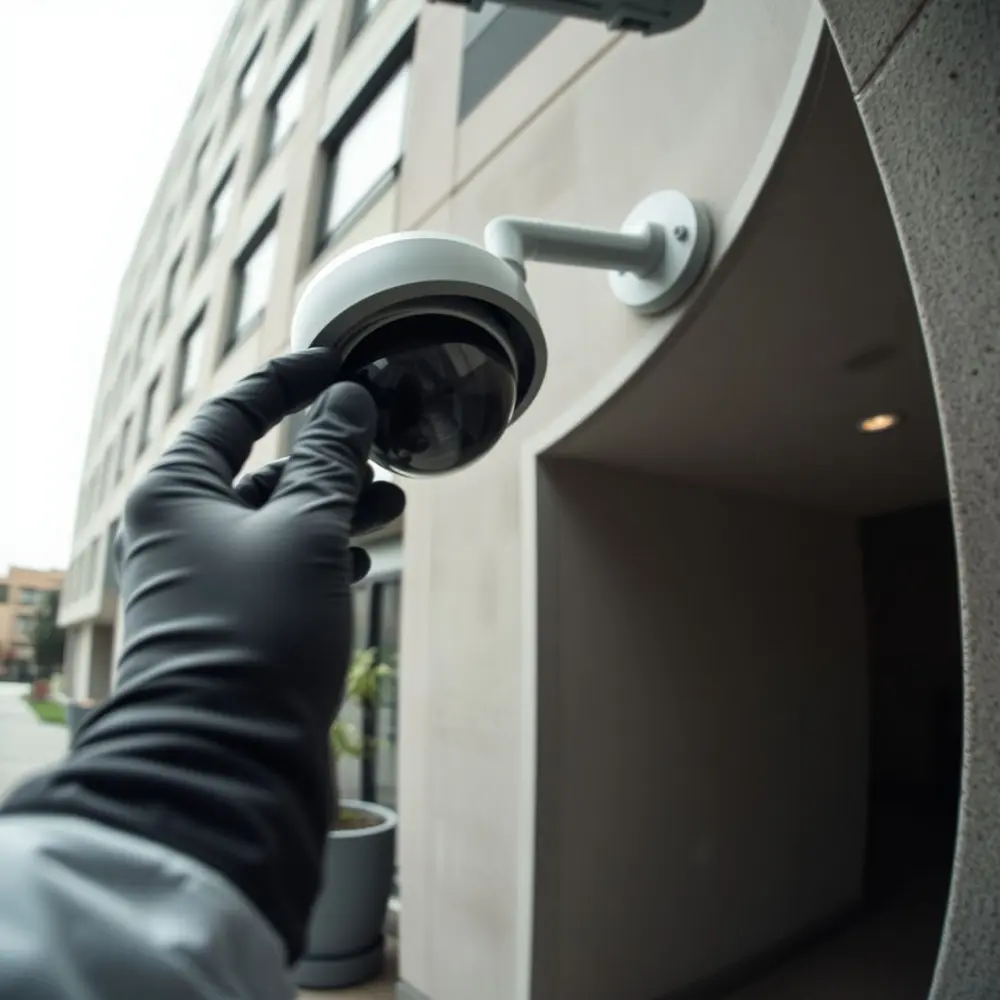
The decision to install CCTV (Closed-Circuit Television) cameras is a significant step towards enhancing security for homes and businesses alike. Offering a visible deterrent to potential criminals and providing invaluable evidence in the event of an incident, CCTV systems have become an indispensable security tool. However, the effectiveness of any CCTV system hinges not just on the quality of the equipment but, crucially, on the quality of its installation. A poorly installed system can lead to blind spots, inconsistent recording, technical glitches, and ultimately, a false sense of security. Avoiding common pitfalls during the installation process is paramount to maximizing the benefits of your surveillance investment. This article delves into the top mistakes that individuals and businesses often make when installing CCTV cameras, offering insights and guidance to ensure a robust and effective security solution.
1. Underestimating the Importance of Planning and Site Survey
One of the most fundamental yet frequently overlooked mistakes in CCTV installation is the lack of thorough planning and a comprehensive site survey. Many individuals, eager to secure their property quickly, jump straight into purchasing cameras and attempting installation without a clear strategy. This often results in haphazard placement, inadequate coverage, and a system that fails to meet the specific security needs of the location. A professional site survey, ideally conducted by experienced professionals, is crucial for identifying potential vulnerabilities, optimal camera placement, and the most effective routing for cabling. It involves assessing the property’s layout, identifying critical areas that require surveillance (entrances, exits, vulnerable perimeters, cash registers, sensitive areas), and understanding the environmental factors that might affect camera performance, such as lighting conditions, potential obstructions, and weather exposure. Without this foundational step, even the most advanced cameras can be rendered ineffective, leading to wasted investment and compromised security. It’s about understanding where you need eyes, what kind of eyes you need (wide-angle, zoom, night vision), and how to best position them to achieve your security objectives. Skipping this phase is akin to building a house without blueprints; it’s bound to have structural flaws.
2. Incorrect Camera Placement and Angle
Even with a plan, incorrect camera placement remains a prevalent issue. Cameras should be positioned to provide clear, unobstructed views of the areas they are intended to monitor. Placing cameras too high can reduce facial recognition capabilities, while placing them too low can make them vulnerable to tampering or vandalism. Crucially, blind spots are the enemy of any surveillance system. These are areas within the property that are not covered by any camera, providing a perfect opportunity for intruders to operate undetected. Overlapping fields of view between cameras can also be beneficial, ensuring that if one camera’s view is compromised, another can still capture the activity. Furthermore, the angle at which a camera is mounted significantly impacts its effectiveness. A downward-facing angle might be suitable for general area surveillance, but for capturing license plates or faces, a more direct, head-on angle is necessary. The glare from direct sunlight or artificial lighting can also render a camera’s footage unusable. Careful consideration must be given to the sun’s path throughout the day and the positioning of internal and external light sources to avoid washouts or excessive glare. Proper aiming ensures that the camera is capturing the most useful information possible. For comprehensive protection, consider exploring CCTV systems that offer flexibility in mounting and aiming.
3. Neglecting Environmental Factors and Weatherproofing
CCTV cameras, especially those installed outdoors, are constantly exposed to various environmental elements such as rain, snow, dust, extreme temperatures, and humidity. Failing to select cameras with appropriate IP (Ingress Protection) ratings and failing to adequately protect them from the elements is a common installation mistake. An IP rating indicates a camera’s resistance to solid particles (like dust) and liquids (like water). Cameras intended for outdoor use should have a high IP rating, typically IP66 or higher, to ensure they can withstand harsh weather conditions without damage or performance degradation. Even cameras installed in semi-exposed areas, like under eaves or in covered porches, can be subject to moisture and dust. Proper sealing of connections, conduits, and housings is essential to prevent water ingress, which can lead to short circuits and camera failure. Extreme temperatures can also affect camera performance, causing image distortion or complete malfunction. Choosing cameras designed for the specific climate and ensuring they are properly housed and protected from direct exposure to the elements will significantly extend their lifespan and maintain their reliability. This is a crucial aspect often overlooked in DIY installations.
4. Inadequate Lighting and Night Vision Considerations
Security concerns do not cease when the sun sets. Many CCTV installations fail to adequately address the need for effective night-time surveillance. While many modern CCTV cameras feature built-in infrared (IR) illuminators for night vision, their effectiveness can be significantly hampered by poor planning or incorrect installation. The range and quality of IR illumination depend on the camera’s specifications and the environment. Obstructions like trees, buildings, or even reflections from nearby surfaces can interfere with IR light, creating dark spots or distorted images. For areas requiring detailed night-time viewing, supplemental lighting might be necessary. This could include dedicated IR floodlights or even visible light sources strategically placed to illuminate the scene. It’s also important to consider the directionality of the IR LEDs on the camera; if they are too close to a wall or ceiling, the IR light can reflect back and wash out the image. Furthermore, the sensitivity of the camera’s image sensor plays a vital role in its low-light performance. Choosing cameras with high-sensitivity sensors can improve image quality in dimly lit conditions, even before IR illumination kicks in. Understanding the limitations of IR and planning for adequate illumination, either through the camera itself or external sources, is critical for round-the-clock security. This often involves consulting with experts to determine the best approach for your specific lighting needs.
5. Poor Cabling and Connection Management
The backbone of any CCTV system is its cabling. Improperly run, protected, or connected cables are a frequent source of system failures and image quality issues. Exposed cables are vulnerable to damage from weather, rodents, accidental cuts, or intentional tampering. Cables should be run through conduits, trunking, or buried safely to protect them from physical damage and environmental exposure. Furthermore, the type of cable used is critical. For analog CCTV systems, coaxial cables (like RG59 or RG6) are common, and the quality of the cable and connectors can affect signal strength and image clarity. For IP (network) cameras, Ethernet cables (Cat5e, Cat6) are used, and they need to be protected from electromagnetic interference (EMI) and radio frequency interference (RFI), which can degrade data transmission and result in pixelation or loss of connectivity. When terminating cables, using the correct connectors and ensuring secure, professional connections is vital. Loose connections, poorly crimped connectors, or incorrect wiring can lead to intermittent signal loss or complete system failure. Many installers make the mistake of using low-quality cables or connectors, or they simply leave cables exposed without proper protection, which significantly compromises the system’s long-term reliability. Considering the long-term maintenance and accessibility of cables is also important for future troubleshooting and upgrades. Proper cable management is not just about aesthetics; it’s about ensuring the integrity and longevity of your security system. Many businesses choose to rely on professional installation services for this reason.
6. Over-Reliance on Wireless Systems Without Considering Limitations
Wireless CCTV systems offer convenience and flexibility, eliminating the need for extensive cabling. However, a common mistake is to opt for wireless solutions without fully understanding their inherent limitations. Wireless signals are susceptible to interference from other electronic devices, Wi-Fi networks, and even physical obstructions like walls and metal structures. This interference can lead to dropped connections, pixelated images, and latency, compromising the reliability of the surveillance feed. The security of wireless transmission itself is also a concern. If not properly encrypted, wireless signals can be intercepted or jammed, rendering the system vulnerable. While modern wireless systems offer robust encryption, it’s crucial to ensure they are configured correctly. For areas with significant signal obstructions or a high risk of interference, a wired connection will almost always provide a more stable and reliable performance. It is important to conduct a thorough site survey to assess wireless signal strength and potential interference before committing to a wireless-only solution. In many cases, a hybrid approach, using wired connections for critical areas and wireless for less sensitive or hard-to-reach locations, offers the best of both worlds. Understanding the trade-offs between convenience and reliability is key when choosing your CCTV setup. For those seeking robust surveillance, exploring the comprehensive range of IP cameras available can provide excellent wired or wireless options.
7. Choosing the Wrong Type of Camera for the Application
The CCTV market offers a vast array of camera types, each designed for specific purposes and environments. A prevalent mistake is selecting cameras without matching their capabilities to the intended application. For instance, using a standard dome camera for a wide-open parking lot might not provide the necessary zoom or detail required to identify individuals or vehicles. Similarly, using a bullet camera with a narrow field of view for monitoring a large room can create significant blind spots. Key camera types include:
- Bullet Cameras: Typically used for long-range surveillance and are often visible deterrents.
- Dome Cameras: Discreet and vandal-resistant, suitable for indoor or semi-outdoor use, offering a wide field of view.
- PTZ (Pan-Tilt-Zoom) Cameras: Offer remote control over camera movement and zoom, ideal for active monitoring of large areas.
- Turret Cameras: Similar to dome cameras but with external housings, offering good flexibility for mounting and aiming.
- Fisheye Cameras: Provide a 360-degree view, useful for comprehensive area coverage from a single point.
Beyond form factor, resolution (measured in megapixels), frame rate (FPS), field of view (FOV), and features like Wide Dynamic Range (WDR) or Smart IR are critical considerations. A camera with insufficient resolution will produce grainy images, making identification difficult. A low frame rate can result in choppy video that misses fast-moving events. WDR is essential for scenes with high contrast lighting (e.g., a bright exterior view through a doorway), preventing dark areas from being completely obscured. Failing to match these specifications to the site’s needs – like using a low-resolution camera for a critical entry point – is a critical error that undermines the system’s effectiveness. It’s important to understand the specific requirements of each monitored zone before purchasing cameras.
8. Overlooking Storage and Recording Requirements
A CCTV system is only as good as its ability to record and store footage. A common oversight is failing to adequately plan for storage capacity and recording continuity. Factors influencing storage needs include the number of cameras, their resolution, frame rate, the duration of footage to be retained (compliance requirements or personal preference), and whether continuous recording or motion-activated recording is used. Underestimating storage needs can lead to old footage being overwritten prematurely, potentially losing crucial evidence. Conversely, over-provisioning storage can lead to unnecessary costs. It’s also vital to consider the reliability of the storage medium, whether it’s a Network Video Recorder (NVR), Digital Video Recorder (DVR), or cloud storage. The quality of the hard drive in an NVR/DVR is crucial for longevity and performance, as these devices often operate 24/7. Similarly, when using cloud storage, understanding the subscription costs, upload speeds, and data security protocols is important. Some users may also fail to adequately configure recording schedules or motion detection settings, leading to either excessive, unusable footage or missed events. Regular checking of the recording system’s health and ensuring sufficient space is available are essential maintenance tasks that are often neglected during the initial installation phase. For those setting up a new system, understanding the nuances of video management is key to a successful deployment.
9. Ignoring Network Security and System Configuration
In today’s interconnected world, CCTV systems are often connected to networks, whether for remote viewing or integration with other security systems. This connectivity, while beneficial, also introduces security risks if not managed properly. A significant mistake is failing to secure the CCTV system and its network. Default passwords on cameras and NVRs/DVRs are notoriously easy to guess, providing an open door for hackers to access live feeds, alter settings, or even disable the system. All devices should have strong, unique passwords, and these should be changed immediately upon installation. Furthermore, if the system is accessible remotely, it should be protected by a secure network, ideally with a VPN (Virtual Private Network) for encrypted access. Keeping firmware updated on cameras, NVRs/DVRs, and network routers is also critical, as updates often include security patches that address vulnerabilities. Network segmentation, where the CCTV system is isolated on its own network segment, can also enhance security by limiting the potential impact of a breach on other critical network resources. Neglecting these security measures can turn a valuable security asset into a significant liability, potentially exposing sensitive information or allowing malicious actors to control the surveillance system. The team at megaintersec understands the importance of secure and well-configured systems for complete peace of mind.
10. DIY Installation Without Adequate Knowledge or Tools
While the allure of saving money through DIY installation is strong, it often leads to costly mistakes if the individual lacks the necessary knowledge, experience, and proper tools. Installing CCTV cameras involves more than just mounting a box and plugging it in. It requires an understanding of electrical wiring, network configuration, signal types, cable termination, and potentially even some basic construction skills for running wires through walls or ceilings. Using incorrect tools can damage equipment, lead to unreliable connections, and compromise the overall integrity of the installation. For instance, improperly crimping an Ethernet connector can result in intermittent network issues that are difficult to diagnose. Furthermore, without a comprehensive understanding of security principles and best practices for camera placement and system design, a DIY installation is likely to result in a suboptimal system that leaves vulnerabilities unaddressed. While many resources are available online, they cannot fully replace the practical experience and expertise of a professional installer. For critical applications, or for those who want to ensure their system is installed correctly and effectively from the outset, professional installation is highly recommended. This ensures that the system is not only functional but also secure and reliable for the long term. Professionals also have access to specialized tools and diagnostic equipment that are essential for optimal setup and troubleshooting.
11. Forgetting About Future Scalability and Maintenance
Security needs can evolve, and a well-planned CCTV system should be scalable to accommodate future additions or upgrades. A common mistake is to install a system that is rigidly designed for the current needs, making it difficult or expensive to add more cameras, upgrade to higher resolution, or expand coverage in the future. When planning the installation, it’s wise to consider the potential for expansion. This might involve ensuring the NVR/DVR has enough channels for additional cameras, using network switches with spare ports, and leaving extra conduit or space for future wiring. Similarly, overlooking ongoing maintenance can lead to a gradual degradation of system performance. Regular cleaning of camera lenses, checking connections, verifying recording integrity, and updating firmware are all crucial for maintaining the system’s effectiveness. Failing to budget for or schedule this maintenance can result in a system that underperforms or fails when it’s needed most. A robust maintenance plan, or at least an understanding of the maintenance requirements, should be part of the initial installation consideration. Investing in quality equipment and professional installation upfront can often reduce long-term maintenance headaches and ensure the system remains a reliable security asset. For advice on building a scalable security infrastructure, exploring the services offered can provide valuable insights.
12. Ignoring Local Regulations and Privacy Concerns
In many jurisdictions, there are specific regulations governing the use and installation of CCTV systems, particularly concerning privacy. A common mistake is to install cameras without being aware of or adhering to these laws. This can include regulations about recording audio, the placement of cameras in public or semi-public areas, and the notification requirements for individuals being recorded. For example, placing cameras in areas where individuals have a reasonable expectation of privacy, such as restrooms or private offices, is generally prohibited. In business settings, employees should be informed about the presence of CCTV, and signage might be required. Similarly, when installing cameras that overlook neighboring properties, it’s essential to ensure they are not intruding on their privacy. Failure to comply with these regulations can lead to legal penalties and significant reputational damage. It is crucial to research and understand the applicable laws in your specific location before installing any CCTV system. Consulting with legal counsel or a security professional knowledgeable about local ordinances can help ensure compliance and prevent future problems. Responsible surveillance is key to maintaining trust and operating within legal boundaries.
Conclusion
Installing a CCTV system is a critical investment in safety and security. By understanding and actively avoiding the common mistakes outlined in this article – from inadequate planning and poor placement to neglecting environmental factors, network security, and legal compliance – you can ensure your surveillance system operates at its optimal capacity. A well-installed and properly configured CCTV system acts as a powerful deterrent, provides crucial evidence, and offers invaluable peace of mind. Whether you are a homeowner looking to protect your family or a business owner safeguarding your assets, taking a meticulous and informed approach to CCTV installation is paramount. For those seeking reliable and professional security solutions, exploring services from reputable providers can ensure your system is installed correctly, efficiently, and effectively, meeting all your surveillance needs.
 UNV
UNV Dahua
Dahua Hikvision
 Cisco
Cisco Mikrotik
 Dalton smart locks