 CCTV
CCTV NETWORK
 SMART HOME
 SOFTWARE


Top Smart Locks That Withstand Dubai’s Extreme Heat

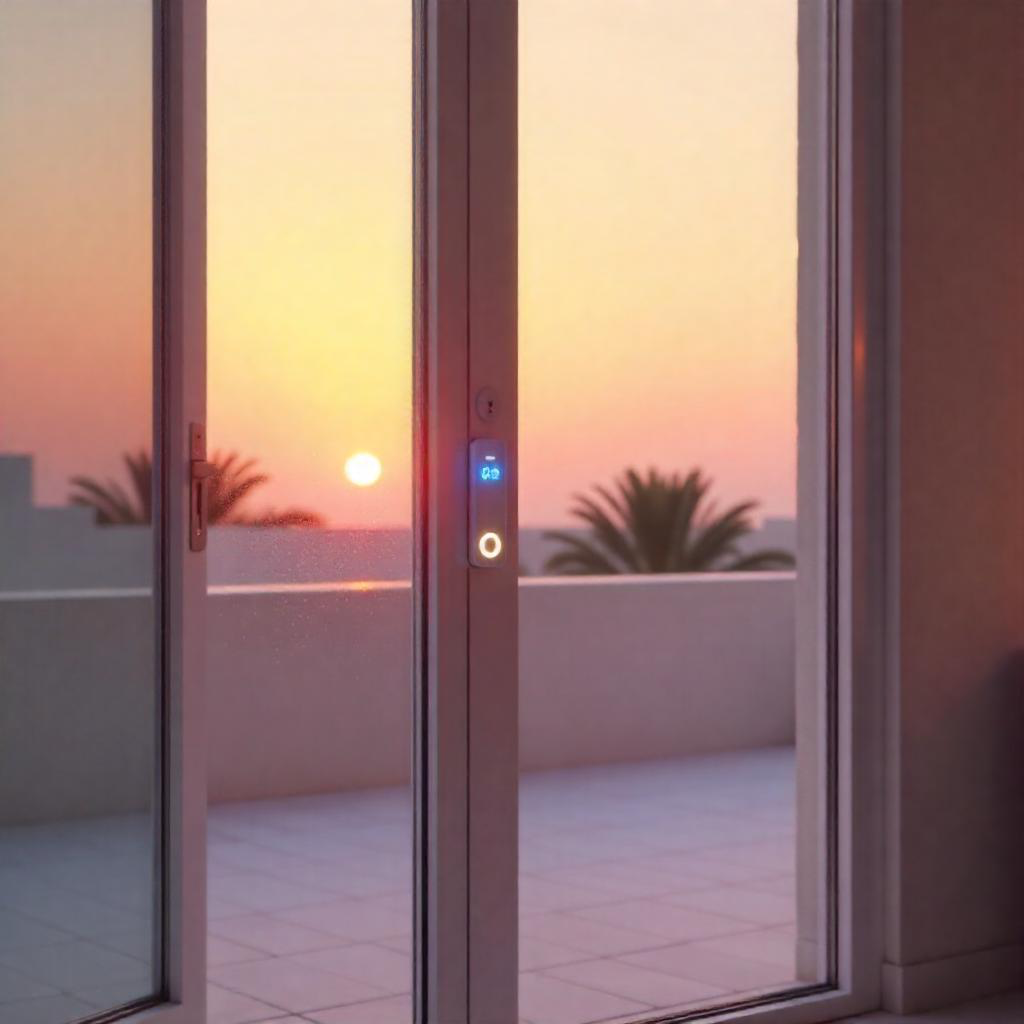
Top Smart Locks That Withstand Dubai’s Extreme Heat
Dubai, a city renowned for its architectural marvels and cutting-edge technology, also presents a unique challenge for electronic devices: its extreme heat. With summer temperatures frequently soaring above 45°C (113°F), and often feeling even hotter with humidity, the longevity and performance of smart home devices, particularly smart locks, are put to the ultimate test. A conventional smart lock, designed for more temperate climates, might quickly degrade, malfunction, or fail entirely under the relentless sun and high ambient temperatures. For homeowners and businesses in Dubai, choosing a smart lock isn’t just about convenience or security features; it’s about selecting a robust piece of technology engineered to withstand one of the world’s harshest environments. This comprehensive guide will delve into the critical factors to consider and highlight the top smart locks built to brave Dubai’s intense heat, ensuring your property remains secure and accessible year-round.
The Unyielding Challenge of Dubai’s Climate on Smart Locks
The scorching heat in Dubai doesn’t just make outdoor activities uncomfortable; it poses a significant threat to electronics. Smart locks, exposed to direct sunlight and high ambient temperatures, face several critical issues:
- Battery Degradation: High temperatures accelerate chemical reactions within batteries, leading to rapid self-discharge, reduced capacity, and a significantly shortened lifespan. This means frequent battery changes or, worse, unexpected lockouts.
- Material Warping and Fading: Cheaper plastics and some metals can warp, crack, or fade under prolonged exposure to intense UV radiation and heat, compromising the lock’s structural integrity and aesthetic appeal.
- Internal Component Failure: Microchips, sensors, and wiring inside the lock can overheat, leading to circuit board damage, erratic performance, or complete system failure.
- Moisture and Dust Ingress: While not directly heat-related, high humidity combined with dust storms can, over time, penetrate inadequately sealed devices, causing corrosion and short circuits, especially when coupled with heat-induced expansion and contraction.
Therefore, when investing in a smart lock for Dubai, it’s paramount to look beyond standard features and prioritize those engineered for extreme environmental resilience.
Essential Features for Heat-Resistant Smart Locks
To ensure a smart lock can truly withstand Dubai’s extreme climate, specific design and material choices are non-negotiable. Here’s what to look for:
1. Superior Material Durability and Construction
The external casing of the smart lock is its first line of defense. Opt for locks made from robust, high-grade materials that can endure thermal expansion and contraction without compromising integrity or appearance. Materials like:
- Aerospace-Grade Aluminum Alloys: Lightweight yet incredibly strong and resistant to corrosion and high temperatures.
- Marine-Grade Stainless Steel (304 or 316): Offers excellent corrosion resistance, crucial for humidity, and maintains structural integrity in heat.
- High-Impact Zinc Alloy: A common choice for its durability and ability to be cast into complex shapes, but ensure it’s treated to resist UV and heat.
Avoid locks with extensive plastic components, especially on exposed parts, unless they are specifically high-temperature, UV-stabilized polymers.
2. Wide Operating Temperature Range
This is arguably the most critical specification. Check the manufacturer’s listed operating temperature range. For Dubai, look for locks certified to operate reliably at least up to 60°C (140°F) or higher. Many standard smart locks are only rated for up to 40°C-50°C, making them unsuitable for prolonged summer exposure in the UAE.
3. High IP (Ingress Protection) Rating
An IP rating indicates the lock’s resistance to dust and water. While primarily for rain and dust, a good IP rating (e.g., IP65 or IP66) signifies a well-sealed unit, which is crucial for preventing dust ingress that can overheat components and moisture from humidity that can cause corrosion, especially when combined with high heat. An IP65 rating means it’s dust-tight and protected against water jets from any direction.
4. Robust Power Management and Battery Type
Heat shortens battery life. Look for smart locks that:
- Use Lithium Batteries: Lithium batteries generally perform better than alkaline batteries in extreme temperatures and have a slower self-discharge rate.
- Feature Efficient Power Consumption: Advanced power management minimizes drain, extending the time between battery changes.
- Offer Redundant Power Options: Some locks include emergency power terminals (e.g., USB-C or 9V battery contacts) for manual power injection if batteries die.
Consider solutions that might incorporate passive cooling designs or are less reliant on constant high power draws.
5. Advanced Security Features and Connectivity
While durability is key, security remains paramount. Ensure the lock offers robust encryption for wireless communication (Bluetooth, Wi-Fi, Z-Wave, Zigbee). Features like anti-pry alarms, tamper alerts, and multiple access methods (fingerprint, PIN, key card, app) add layers of convenience and protection. For those seeking to explore the latest in smart security solutions, reputable suppliers offer products that balance resilience with cutting-edge technology.
Top Smart Lock Types for Dubai’s Heat
While specific model recommendations can change rapidly with new innovations, here are categories of smart locks that generally excel in challenging climates, often found among the offerings of leading security providers like Megaintersec:
1. Commercial-Grade Smart Locks
Often designed for high-traffic environments, these locks are inherently more robust. They typically feature heavy-duty metal construction, higher IP ratings, and wider operating temperature ranges than their residential counterparts. They are built for continuous use and extreme conditions.
2. Biometric Smart Locks with Enhanced Durability
Fingerprint readers need to be reliable in varying conditions. Look for locks where the biometric sensor is well-protected and known for its accuracy even with minor thermal expansion of materials. The best ones will use advanced optical or capacitive sensors that are less prone to environmental interference.
3. Smart Locks with Integrated Shields or Design for Exposure
Some manufacturers design their outdoor-rated smart locks with built-in weather shields or specific casing designs that minimize direct sunlight exposure on critical components. This passive cooling can significantly extend the life and performance of the device.
4. Brands Known for Industrial/Outdoor Applications
Companies that supply locks for industrial, marine, or very hot climates often have residential products that inherit this ruggedness. Research brands with a proven track record in outdoor security solutions. For comprehensive advanced access control systems, it is advisable to consult with specialists who understand the local climate’s demands.
Installation and Maintenance Tips for Longevity
Even the most heat-resistant smart lock requires proper installation and minimal maintenance to ensure peak performance in Dubai:
- Professional Installation: Always opt for certified professional installation. They understand the nuances of door alignment, wiring, and proper sealing to maximize the lock’s performance and longevity, especially given the environmental challenges.
- Shade and Protection: If possible, install the lock on a door that is somewhat shaded during the hottest parts of the day or consider adding a small awning or overhang above the door. This can significantly reduce direct sun exposure.
- Regular Cleaning: Dust can accumulate and act as an insulator, trapping heat. Periodically wipe down the lock with a soft, dry cloth.
- Battery Checks: Even with robust batteries, check them regularly, especially before the peak summer months. Replace them proactively if the app indicates low power.
- Firmware Updates: Keep the smart lock’s firmware updated. Manufacturers often release updates that improve power management, security, and sometimes even thermal performance.
For property owners and facilities managers in Dubai, sourcing robust security solutions is paramount. Companies like Megaintersec are key players in providing advanced security and automation systems tailored for the region’s unique climate, ensuring that your investment in smart technology delivers enduring peace of mind.
Conclusion
Choosing a smart lock for Dubai’s extreme heat is an investment in long-term security and convenience. It demands careful consideration of materials, operating temperature ranges, IP ratings, and power management. While the market offers a vast array of smart locks, only a select few are truly engineered to withstand the relentless assault of the desert sun. By prioritizing durability, advanced thermal resistance, and robust construction, you can select a smart lock that not only secures your premises but also performs flawlessly, year after year, even in the face of Dubai’s challenging climate. Don’t compromise on quality when it comes to safeguarding your home or business in one of the world’s hottest cities.
 UNV
UNV Dahua
Dahua Hikvision
 Cisco
Cisco Mikrotik
 Dalton smart locks