 CCTV
CCTV NETWORK
 SMART HOME
 SOFTWARE


UNV Camera Prices

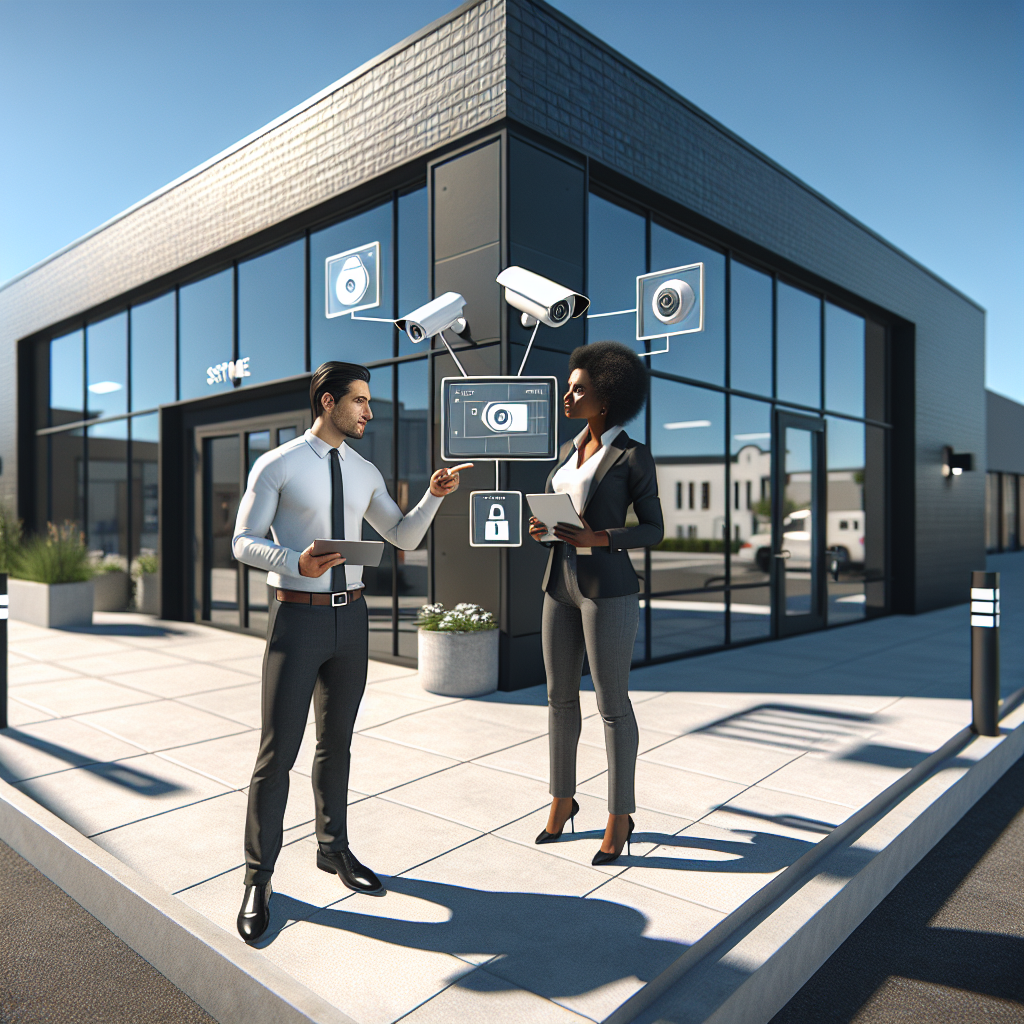
UNV Camera Prices: A Comprehensive Guide
When considering a new security system, one of the most significant factors is cost. Uniview (UNV) has emerged as a major player in the global video surveillance market, offering a wide range of cameras known for their quality, reliability, and innovative features. Understanding UNV camera prices is crucial for anyone planning to invest in surveillance technology, whether for a home, small business, or large enterprise. This article delves into the various factors that influence UNV camera pricing, provides an overview of typical price ranges, and helps you understand the value proposition offered by this brand.
UNV differentiates itself by providing a tiered product line, catering to different needs and budgets without compromising core performance. Their cameras are widely used in various applications, from simple residential monitoring to complex city-wide surveillance projects and large-scale commercial security solutions. This versatility means that the price of a UNV camera can vary significantly depending on its capabilities and intended use case.
Factors Influencing UNV Camera Prices
Several key factors determine the price point of a UNV security camera. Being aware of these elements will help you navigate the product catalog and choose a camera that fits your specific requirements and budget.
Resolution
Like most digital cameras, the resolution significantly impacts the price. Lower resolution cameras (e.g., 2MP or 1080p) are generally more affordable than higher resolution ones (e.g., 4MP, 8MP/4K, or even 12MP). Higher resolution provides more detail in the image, which is crucial for identification and forensic analysis, but requires more processing power and storage, contributing to a higher cost.
Features and Technology
UNV cameras come packed with various features, and the inclusion of advanced technologies naturally increases the price. Some key features that influence cost include:
- WDR (Wide Dynamic Range): Essential for scenes with strong contrasts between light and dark areas, such as entrances or areas with direct sunlight. Higher-performing WDR (like 120dB or 140dB true WDR) adds to the cost.
- Low-light Performance: Cameras with advanced sensors and technologies like UNV’s LightHunter or ColorHunter provide clearer images in minimal light, often at a higher price point. ColorHunter cameras offer full-color images 24/7.
- IR (Infrared) Distance: The range of the built-in infrared illuminators affects how far the camera can see in complete darkness. Cameras with longer IR distances are typically more expensive.
- Zoom Capabilities: Cameras with optical zoom lenses (varifocal lenses) cost more than fixed-lens cameras due to the added mechanical complexity and optics. PTZ (Pan-Tilt-Zoom) cameras, offering remote control over the viewing direction and zoom, are among the most expensive types.
- Audio Capabilities: Built-in microphones or audio input/output ports can add to the camera’s price.
- Edge Storage: Support for onboard MicroSD card storage can slightly influence the cost.
Analytics and AI Functions
UNV has heavily invested in intelligent video analytics. Cameras with built-in AI features, such as motion detection, intrusion detection, line crossing detection, object removal, unattended object detection, face detection, people counting, and vehicle monitoring, are significantly more expensive than basic models. Advanced AI series cameras with deep learning capabilities offer greater accuracy and functionality for complex surveillance tasks.
Form Factor and Durability
The physical design of the camera also plays a role in its price. Different form factors include:
- Bullet Cameras: Often used for outdoor surveillance due to their prominent shape.
- Dome Cameras: More discreet, commonly used indoors or outdoors (vandal-resistant versions available).
- Turret Cameras: Similar to domes but with a flexible ball joint, making them easy to position.
- PTZ (Pan-Tilt-Zoom) Cameras: Motorized cameras offering remote directional control and zoom.
- Fisheye Cameras: Provide 360-degree panoramic views, ideal for large open areas.
- Specialty Cameras: Multi-sensor, panoramic, thermal cameras, etc., are typically the most expensive due to their specialized technology.
Furthermore, cameras designed for harsh environments with higher IP ratings (water and dust resistance) and IK ratings (vandal resistance) will cost more than standard indoor models.
Product Series/Tier
UNV structures its product line into tiers, which is a major determinant of price and capability:
- Easy Series: Entry-level cameras designed for simple, cost-effective security solutions for small businesses and residential users. They offer essential features at competitive prices.
- Prime Series: Mid-range cameras balancing performance, features, and cost. They are suitable for a wide range of applications requiring better image quality and more advanced features than the Easy series.
- Pro Series: High-end, professional-grade cameras with the best image quality, advanced analytics, robust build quality, and features designed for demanding surveillance environments and critical infrastructure. These are the most expensive UNV cameras.
General Price Ranges for UNV Cameras
Providing exact real-time pricing is difficult as prices fluctuate based on suppliers, region, order volume, and market conditions. However, we can give a general idea of typical price ranges (USD, excluding tax and installation) based on the series and type:
- Easy Series (2MP-4MP Bullet/Dome): Typically range from $50 to $150. These are budget-friendly options for basic monitoring.
- Prime Series (2MP-8MP Bullet/Dome/Turret): Generally range from $100 to $300+. Prices increase with higher resolution, advanced WDR, better low-light, and basic built-in analytics.
- Prime Series (Varifocal/Motorized Lens): These tend to be in the $150 to $400+ range, depending on resolution and features.
- Pro Series (High-Resolution/Advanced Features): Can range from $300 up to $800 or more for models with 4K resolution, advanced analytics, and superior build quality.
- PTZ Cameras (Prime/Pro Series): Start from around $400-$600 for basic indoor/outdoor models and can go up to several thousand dollars ($1,000 – $5,000+) for high-speed, long-range, or specialized PTZ units.
- Fisheye Cameras: Usually range from $300 to $600+, depending on resolution and features.
- Specialty Cameras (Multi-sensor, AI Series, etc.): These occupy the higher end of the price spectrum, often starting from $500 and potentially exceeding $1,000 or $2,000 depending on complexity and capabilities.
These ranges are estimates, and actual prices from distributors or security equipment suppliers may vary. Bulk purchases often lead to better pricing per unit.
Where to Buy and Other Costs
UNV cameras are typically sold through authorized distributors and resellers. Purchasing from reputable sources ensures you receive genuine products with warranty support. Prices from different vendors can vary, so comparing quotes is advisable. Online marketplaces may list UNV cameras, but it’s crucial to verify the seller’s legitimacy and whether the camera is intended for your region (firmware and warranty can differ).
It’s also important to remember that the camera price is only one part of the total cost of a surveillance system. Other potential costs include:
- NVR (Network Video Recorder): Required to record and manage video feeds from IP cameras. NVR costs vary based on channel count, storage capacity, and processing power.
- Storage: Hard drives for the NVR. The required storage capacity depends on the number of cameras, resolution, frame rate, and desired retention period.
- Cabling and Connectors: Ethernet cables (Cat5e/Cat6) and connectors.
- Power Supplies: PoE (Power over Ethernet) switches or individual power adapters. PoE switches simplify installation and power delivery.
- Installation: The cost of hiring professionals to install and configure the system.
- Software: While UNV provides free VMS software (EZStation) and mobile apps (EZView), some large-scale or integrated surveillance systems might require paid third-party software licenses.
- Accessories: Mounting brackets, junction boxes, etc.
The Value Proposition of UNV Cameras
While UNV cameras span a wide price range, they are generally considered to offer excellent value for money across their different tiers. Compared to some legacy brands, UNV often provides similar or superior features and performance at a more competitive price point, particularly in the mid-range and professional series. Their commitment to innovation, especially in low-light performance and AI analytics, ensures that even reasonably priced models incorporate advanced technology.
Choosing a UNV camera means investing in a system known for reliability and ease of use, supported by a comprehensive product line that allows for scalability and integration. Their NVRs and cameras are designed to work seamlessly together, simplifying setup and management.
Conclusion
Understanding UNV camera prices requires looking beyond a single number and considering the multitude of factors that contribute to a camera’s cost. Resolution, advanced features like WDR and low-light technology, built-in analytics, form factor, durability, and the specific product series (Easy, Prime, or Pro) all play significant roles.
From budget-friendly options for home use to sophisticated, high-performance cameras for demanding professional applications, UNV offers a diverse portfolio at various price points. By evaluating your specific security needs, desired features, and environmental conditions, you can determine which UNV series and camera models offer the best balance of performance and cost for your project. Remember to also factor in the associated costs of NVRs, storage, and installation when budgeting for a complete UNV surveillance system. With their focus on quality, innovation, and value, UNV cameras represent a solid investment for a wide range of security requirements.
“`
 UNV
UNV Dahua
Dahua Hikvision
 Cisco
Cisco Mikrotik
 Dalton smart locks